Himachal govt tightens dress code and social media rules for staff
Himachal Pradesh government bans jeans and T-shirts in offices, enforces strict dress and social media rules
The government of Himachal Pradesh has introduced a strict dress code for its employees, banning the use of jeans and T-shirts in offices. The new directive also includes rules on social media behaviour, warning staff of disciplinary action if they fail to follow the guidelines.
The order was issued under the leadership of Chief Minister Sukhvinder Singh Sukhu. It aims to maintain discipline, professionalism, and the dignity of public service in government offices.
According to the official communication dated March 16, all departments have been instructed to ensure that employees follow the rules strictly. The government noted that earlier guidelines issued in 2017 were not properly followed, which led to the need for stricter enforcement now.
Strict dress code rules
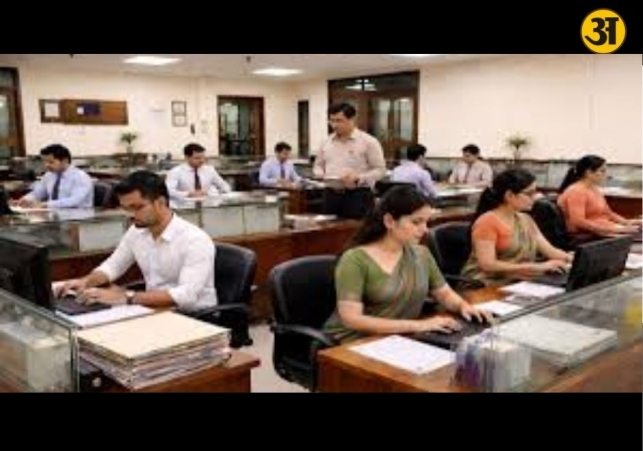
Under the new guidelines, government employees must wear formal and modest clothes in sober colours while attending office or court proceedings. The aim is to create a professional work environment and improve the public image of government offices.
Male employees have been advised to wear shirts and trousers or collared shirts with formal pants. Female employees are required to wear sarees, salwar-kameez, churidars, formal suits, or kurtas with a dupatta.
The use of casual wear such as jeans and T-shirts has been clearly prohibited. The government believes that such clothing does not match the seriousness and responsibility of public service.
Officials have been asked to monitor compliance and report any violations. Employees who fail to follow the dress code may face disciplinary action. The government has made it clear that maintaining proper attire is part of maintaining office discipline.
The directive has been sent to administrative secretaries, heads of departments, and divisional commissioners. They have been given the responsibility to ensure that all staff members follow the rules without exception.
Rules on social media conduct
In addition to dress code rules, the government has also introduced strict guidelines for employees’ behaviour on social media. The order states that employees must maintain proper conduct both during and outside office hours.
Staff members are not allowed to share official documents without permission. They are also prohibited from posting content that criticises government policies or harms the image of the administration.
The government has referred to the Central Civil Services Conduct Rules 1964 while issuing these instructions. According to these rules, government employees must avoid making public statements that could affect government relations or public trust.
ALSO READ: Trump says Israel will not use nuclear weapons against Iran amid conflict
ALSO READ: Trump questions US role in Strait of Hormuz after allies refuse to send naval help
Employees have also been restricted from expressing political or religious opinions on public platforms like blogs, vlogs, or social media without prior approval. This is aimed at maintaining neutrality and preventing controversies.
The decision to regulate social media use comes after a recent incident involving a woman officer who was also a social media influencer. She faced criticism for promoting gym-related products online and was later asked to delete her account.
To avoid such situations in the future, the government has made it clear that employees must separate their personal and professional identities online. If they share personal opinions, they must clearly state that these views are private and not connected to the government.
The new rules highlight the increasing importance of responsible behaviour in the digital age. With the growing influence of social media, the government wants to ensure that its employees maintain a professional image at all times.
At the same time, the directive has sparked discussions about the balance between personal freedom and professional responsibility. While some people support the move as necessary for discipline, others feel that it may be too strict.
However, the government has justified the decision by saying that public servants are expected to maintain high standards of conduct. Their behaviour, both offline and online, reflects on the administration.
In conclusion, the Himachal Pradesh government’s new directive focuses on improving discipline, professionalism, and public trust. By enforcing a formal dress code and regulating social media behaviour, it aims to create a more responsible and respectful work culture.
The success of these rules will depend on how well they are implemented and accepted by employees. For now, it is clear that the government is taking strong steps to maintain decorum and accountability in public service.
Related News