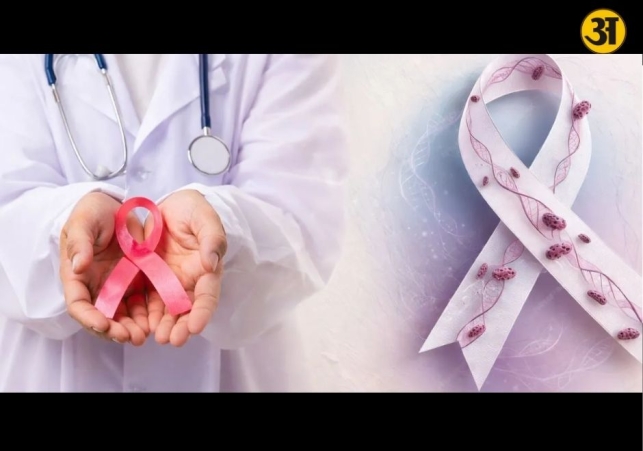
How to spot cancer early and prevent it
Early signs of cancer you should never ignore and habits to reduce risk
Cancer can start quietly, often showing subtle signs that are easy to ignore. Many early symptoms are mild, painless, or appear similar to common health issues. Fatigue may seem like stress, digestive problems may feel like a temporary upset, and a lingering cough may seem seasonal. These early signs are easy to overlook, but recognizing them is crucial. Detecting cancer early can make treatment more effective and even save lives.
Dr Ashwin K R, HOD of Surgical Oncology at Aster Whitefield Hospital, explains that paying attention to your body and responding to unusual changes can make a huge difference. Ignoring small but persistent symptoms can delay diagnosis, which can affect outcomes.
Early signs you should never ignore
Certain changes in the body should always be checked by a doctor. Unexplained weight loss, constant fatigue, or new lumps or swelling anywhere are warning signs. Changes in bowel or bladder habits, blood in stool or urine, difficulty swallowing, or a cough that lasts for weeks are also red flags.
Skin changes need careful attention. A mole that changes color, shape, or size, or a wound that does not heal, should be examined. Persistent indigestion, abdominal discomfort, or bloating for several weeks is another signal often overlooked. These symptoms do not always mean cancer, but they do indicate that your body needs medical evaluation.
Early signs are easy to miss because cancer often progresses slowly. Symptoms usually linger instead of suddenly worsening. In busy, stressful lives, many people push through discomfort, which can delay diagnosis. Acting on early signs increases the chances of simpler treatment and better recovery. Listening to your body is the first step toward protection.
Lifestyle habits that reduce cancer risk
Prevention is as important as detection. Many cancers are influenced by lifestyle, so making consistent, healthy choices can lower risk. Key preventive measures include:
-
Stop smoking and limit alcohol intake.
-
Maintain a healthy weight and stay physically active.
-
Eat a balanced diet rich in fruits, vegetables, whole grains, and fiber. Reduce processed and red meats.
-
Protect your skin from excessive sun exposure.
-
Prioritize sleep and manage stress effectively.
Dr Ashwin emphasizes that “Cancer prevention is not about making radical changes. It’s the small, doable things that make the biggest difference.” Small, consistent habits have a cumulative effect on overall health and cancer risk.
ALSO READ: Shehbaz Sharif says Pakistan feels ashamed seeking loans abroad
Routine health check-ups and age-appropriate screenings are also essential. Screening can detect cancer before symptoms appear, when treatment is most effective. Awareness alone is not enough—taking action is critical. Paying attention to early warning signs and committing to a healthier lifestyle offers the best defense against cancer.
Cancer rarely makes a loud announcement at first; it often whispers. By being attentive to your body, seeking early medical advice, and adopting preventive habits, you can detect cancer early or even lower the risk of developing it. Small, daily decisions, from diet to exercise to medical check-ups, can shape long-term health outcomes and improve your chances of staying cancer-free.
Related News