Hasina accused of ‘shoot on sight’ order in leaked audio
Leaked audio alleges Sheikh Hasina gave ‘shoot on sight’ order during Bangladesh protests: Report
A leaked audio recording has revealed that Sheikh Hasina, the former Prime Minister of Bangladesh, may have directly ordered a violent crackdown on student protesters in 2024. According to a BBC investigation, Hasina is heard telling a senior official to shoot at protesters on sight, leading to the deaths of at least 1,400 people during nationwide demonstrations.
The BBC claims to have verified the authenticity of the tape, which captures Hasina saying, “Use whatever weapons needed. Shoot wherever you find them.” The instruction was reportedly given from her official residence, Ganabhaban, on the evening of July 18, 2024.
Background: Why were students protesting?
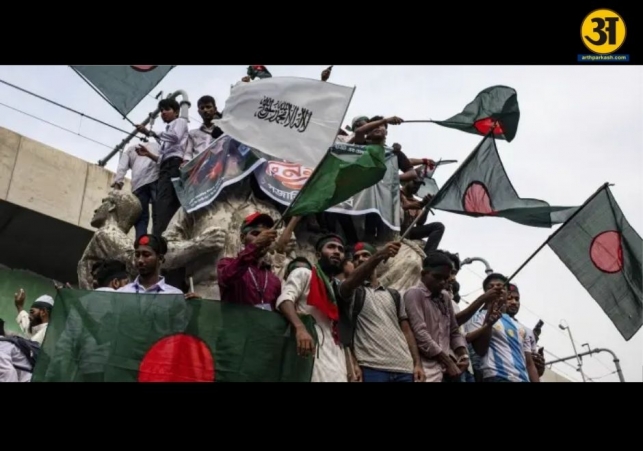
The protests began over a new quota system in government jobs that students believed was unfair. The government had introduced changes giving more preference to political groups and social communities instead of rewarding candidates based on merit.
This move angered thousands of university students across Bangladesh. They claimed the policy was being used to promote favoritism and limit fair opportunities for capable individuals. The protests grew fast and soon included teachers, civil society groups, and human rights activists.
While Bangladesh had seen student protests before, especially in 2018, the 2024 movement was much larger and more intense. Protesters blocked roads, held sit-ins, and demanded that the new quota policy be reversed.
Leaked audio leads to serious consequences
The BBC report states that shortly after the July 18 audio conversation, paramilitary forces were sent into Dhaka and other university towns. These troops reportedly used military-grade weapons, including automatic rifles, to fire on large crowds of unarmed students.
According to official police documents accessed by the BBC, weapons were deployed across five major university campuses and surrounding areas. Videos and witness testimonies also support these claims.
The United Nations Human Rights Office has estimated that over 1,400 people were killed, and thousands were injured or detained between July and August 2024 during the crackdown.
International calls for investigation
The incident has drawn strong global condemnation. Several international human rights organisations have demanded a full and independent investigation into the killings. Rights groups such as Human Rights Watch and Amnesty International have urged the Bangladeshi government and the United Nations to intervene.
The United Nations has said the killings could amount to crimes against humanity and warned that political violence cannot be justified, especially when used against peaceful protesters.
Hasina fled to India after political pressure
On August 5, 2024, just weeks after the violence peaked, Sheikh Hasina reportedly fled to India. Her departure came just hours before several ruling party MPs publicly withdrew support for her leadership. According to officials in Dhaka, it was a planned political escape to avoid further unrest and legal consequences.
Since then, Hasina has been living in New Delhi, and though she made a brief public statement in January 2025, she denied the allegations. “The crackdown was a lawful action to restore peace and stop chaos,” she said.
However, the new evidence, including the leaked audio, will likely be a major part of the trial against her at Bangladesh’s International Crimes Tribunal, which is expected to begin this month.
Toby Cadman, a UK-based human rights lawyer helping the Bangladeshi prosecution team, called the leaked audio “damning, clear, and well-supported.” Speaking to the BBC, he said the recording has been verified and matches other internal documents like:
-
Official memos
-
Field-level deployment orders
-
Digital transcripts
-
Security force logs
These documents will be presented as part of the trial, with the aim of proving that the orders to use lethal force came directly from Sheikh Hasina.
Cadman said the case shows clear command-level involvement and isn’t just about a few isolated incidents. “This was a systematic and state-led response to crush dissent,” he added.
Hasina’s party denies the charges
The Awami League, the political party Hasina led, has denied the claims. A spokesperson said the audio tape was ‘selectively edited’ and accused critics of trying to damage the party’s reputation.
However, the party has not released a full version of the tape nor challenged its authenticity in court. Their refusal to cooperate fully has raised doubts about their version of events.
Meanwhile, pressure is also building on India, where Hasina is currently staying. Several regional and global human rights groups are now calling on New Delhi to take a clear stand—either support the investigation or explain why Hasina is being protected.
ALSO READ: Who won the 12-day Israel-Iran war? Netanyahu takes the spotlight
India’s silence draws criticism
India has not officially commented on Sheikh Hasina’s presence in New Delhi or on the leaked audio. However, as the tribunal proceedings in Bangladesh get closer, international observers and rights organisations are beginning to question India’s role.
“India must clarify its position,” said a South Asian legal expert based in Geneva. “If it chooses to give political cover to someone facing charges of mass violence, it may damage its credibility on human rights.”
The families of those who died during the protests say they are still waiting for justice. Many parents and relatives have submitted formal complaints to the tribunal, and some have also shared video clips and photos as part of the evidence.
One mother told the BBC: “My son was 21. He wasn’t a criminal—he was just asking for a fair chance. We want someone to be held responsible.”
There are also reports that many detained students remain in jail, and several are still missing. Civil society groups have urged the government to release names, medical reports, and arrest details of all the people affected.
What happens next?
The trial of Sheikh Hasina is scheduled to begin in late July 2025 at the International Crimes Tribunal of Bangladesh. Prosecutors say the leaked audio will be their primary evidence, and many international observers are expected to attend the hearings.
If found guilty, Hasina could face life imprisonment or other serious punishments under Bangladeshi law. But the political situation remains tense, and it is still unclear how the trial will proceed if Hasina remains in India.
For now, the world is watching as Bangladesh takes its next steps in one of the most controversial human rights cases in its history.
Related News