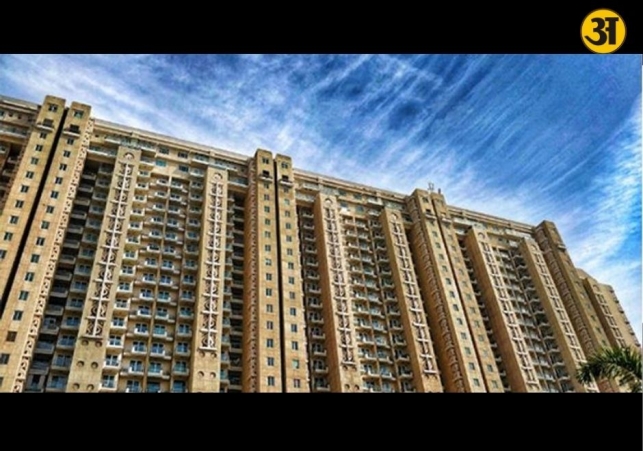
Haryana hikes collector rates, property registration to get costlier
Property prices set to rise in Haryana as collector rates increase by up to 75%
- By Gurmehar --
- Monday, 30 Mar, 2026
Buying property in Haryana is likely to become more expensive from April 1, 2026, as the state government prepares to implement revised collector rates across multiple districts. The new rates, also known as circle rates, have been increased by as much as 75% in several areas, especially for agricultural land.
District administrations have already released the proposed rates for the financial year 2026–27 on their official websites. Citizens were invited to submit objections and suggestions until March 30. Once finalised, these revised rates will be used to calculate stamp duty and registration charges, directly impacting property buyers.
Collector rates are the minimum value set by the government for property transactions. These rates ensure that properties are not registered below a certain price, helping the government prevent undervaluation and revenue loss. The current revision aims to align these official rates more closely with actual market prices.
Sharp rise in key areas
Several districts in Haryana have seen significant increases in collector rates, particularly in areas with growing infrastructure and development. In Karnal, for example, agricultural land in Baldi village has witnessed a sharp increase of up to 75% at multiple locations. The rate has jumped from around ₹3 crore per acre to ₹5.25 crore per acre.
This steep rise is mainly due to the strategic location of the village. It lies near the intersection of NH-44 and the Karnal–Yamunanagar highway, and also near the proposed last station of the Delhi-Karnal RRTS corridor. The presence of such infrastructure projects has significantly boosted the value of land in the area.
Other villages in Karnal, such as Sangoha, Sheikhpura, Churni, and Kailash, are also expected to see similar hikes of up to 75%. In Kambopura village, located near Madhuban, agricultural land rates have increased by around 45%, rising from ₹2.94 crore to ₹4.26 crore per acre.
In Faridabad, the trend is similar. Agricultural land in Tajupur village has seen a 75% increase, with rates rising from ₹1.3 crore to ₹2.28 crore per acre. In Kheri Kalan, rates have gone up by 45%, reaching ₹5.56 crore per acre.
High-end urban areas have also not been spared. In HUDA Sector 16, commercial property rates have increased by 75% for plots up to 500 square yards. Residential rates in the same sector have gone up by about 25%, indicating a moderate increase compared to commercial properties.
The impact is even more visible in Gurugram, one of the fastest-growing cities in the state. Bajghera village has recorded a 75% rise in agricultural land rates, increasing from ₹4.30 crore to ₹7.53 crore per acre. In Sarhaul village, residential land rates have also jumped by 75%.
Areas along the Dwarka Expressway, such as Kadipur and Harsaru, have seen significant growth. Residential plot rates in sectors 104 and 115 have increased by 62% to 67%, reflecting strong demand and rapid urban development.
Impact on buyers and market
The increase in collector rates is expected to have a direct impact on property buyers. Since stamp duty and registration charges are calculated based on these rates, higher collector rates mean higher transaction costs.
For homebuyers, especially first-time buyers, this could increase the overall cost of purchasing property. Even if the market price remains unchanged, the higher government rate will raise the minimum value at which the property can be registered.
At the same time, the revision may bring more transparency to property transactions. By aligning collector rates with market values, the government aims to reduce the gap between official and actual prices. This can help curb black money transactions and improve revenue collection.
In Panchkula, commercial properties in areas like Mansa Devi Complex and several sectors are expected to see increases of up to 75%. Similarly, in Hisar and Rohtak, multiple areas are likely to experience similar hikes.
In Sonipat, Kishora village is also expected to see a 75% increase in agricultural land rates, while commercial properties in Housing Board Colony will also become more expensive.
Experts believe that while the hike may initially slow down property transactions, the market is likely to adjust over time. Developers and sellers may revise their pricing strategies, while buyers may take more time to make decisions.
Another important factor is infrastructure development. Areas witnessing major projects such as highways, metro lines, and industrial hubs are more likely to see sharp increases in land value. This explains why regions near expressways and transport corridors have seen the highest hikes.
In conclusion, the revision of collector rates in Haryana marks a significant shift in the property market. While it will make property registration more expensive, it also aims to bring greater transparency and align official values with real market trends.
For buyers, this means planning finances more carefully and staying updated with the latest rates. For the government, it is an effort to strengthen revenue systems and regulate property transactions more effectively.
As the new rates come into effect from April 1, all stakeholders—from buyers to developers—will need to adapt to the changing landscape of the real estate market in Haryana.
Related News