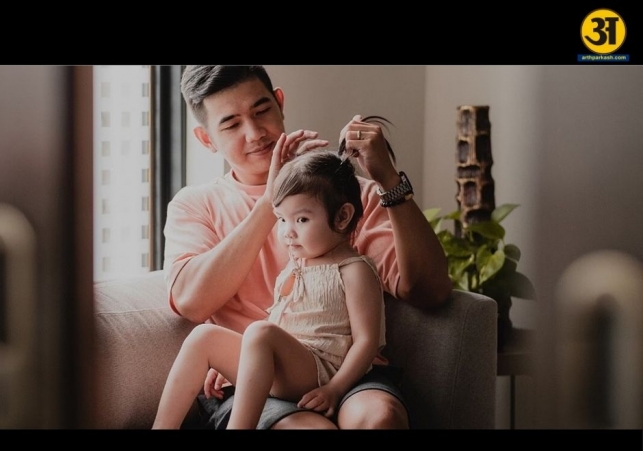
Guide to raising emotionally strong and independent kids
Smart parenting tips to help kids become more independent and confident
It’s normal for young children to want to be close to their parents. But when your child follows you around all day, doesn’t want to play alone, or cries whenever you leave the room, it can feel tiring. Many parents feel worried or frustrated when their child becomes clingy.
But the truth is: clingy behaviour is not bad behaviour. It’s your child’s way of showing they need comfort, safety, or help with their feelings. According to child psychologist Aditi Kumar, clinginess often happens when a child feels scared, uncertain, or is going through a change.
Your child is not trying to annoy you. They are simply saying, “I need you.” And your job is to respond with love, understanding, and gentle support. Let’s look at some expert-approved ways to deal with clingy kids and help them grow into emotionally strong and confident individuals.
Understand what your child is feeling and respond with care
The first step is to understand why your child is acting clingy. There’s always a reason behind the behaviour. Children often become extra attached when they’re going through something new or hard. For example:
-
Starting preschool or daycare
-
Getting a new sibling
-
Moving to a new home
-
Having a parent who’s been away more than usual
-
Feeling unwell or overtired
Instead of reacting with anger or pushing them away, take time to notice what might be bothering your child. Ask yourself: “Has something changed recently?” “Are they trying to tell me they’re worried or scared?”
Aditi Kumar says that noticing the emotional cause is the key to helping your child. If your child feels heard and understood, their clingy behaviour will slowly reduce over time.
Build emotional safety through small, daily actions
Children become more confident when they know they can trust you. This means they need to feel safe, loved, and supported—even when you’re not with them. You can help build this emotional safety by:
-
Sticking to routines (like regular bedtimes and mealtimes)
-
Saying goodbye gently instead of sneaking away
-
Always following through when you say “I’ll be back soon”
-
Giving extra cuddles or reassurance when they’re upset
Even simple things like reading a bedtime story, having a morning hug, or talking for a few minutes before leaving for work help your child feel connected.
Encourage independent play gently, not suddenly
One of the best ways to help your child become less clingy is to support them in playing alone—slowly. Don’t expect them to go from “holding your hand all day” to “playing alone for hours” overnight.
Start small:
-
Offer a favourite toy or book they enjoy
-
Sit close by at first so they feel secure
-
Slowly move a little farther as they get more comfortable
Tell them clearly, “I’m right here,” or “I’ll just be in the kitchen and come back in five minutes.” This helps them trust that you're nearby even when you're not right next to them.
Over time, they’ll feel proud of playing on their own—and you’ll feel more relaxed, too.
ALSO READ: Modern parenting trend 'FAFO' sparks debate among experts and parents alike
ALSO READ: The danger of World War 3 is growing — leaders must choose peace
What not to do: Don’t punish or shame clingy behaviour
Sometimes parents think being “strict” will stop clingy behaviour. But punishing your child, scolding them, or calling them “too needy” can make things worse. It makes children feel more scared and unsure—and that increases the clinginess.
Instead of punishment, focus on helping your child name their feelings. Teach them to say, “I’m scared,” or “I miss you,” rather than just crying or grabbing you.
You can say things like:
-
“I know you’re feeling sad when I leave.”
-
“It’s okay to miss me. I always come back.”
-
“You’re safe even when I’m not right next to you.”
By validating their feelings, your child learns that emotions are normal—and that they can handle them.
Create loving boundaries that help your child grow
Loving your child doesn’t mean giving in to every request. Setting limits is just as important. If you’re working from home and your child wants your attention constantly, calmly explain your routine.
For example:
-
“I’ll finish my call in 10 minutes, then we’ll read your book.”
-
“You can play while I finish work, and then we’ll eat dinner together.”
The goal is to balance care with clear rules. When children know what to expect, they feel more relaxed—and less clingy.
Give attention before they ask for it
Clinginess often comes from a simple need: your child wants more of you. Instead of waiting for your child to cry or hang onto you, try giving them focused attention first.
Even 10–15 minutes of one-on-one time a day can make a big difference. Put away your phone, make eye contact, and do something fun together. This can be:
-
Reading a story
-
Playing a small game
-
Drawing or colouring
-
Talking about their day
When your child feels seen and heard, they won’t need to fight for your attention as much.
Clingy behaviour in kids is not something to fix or get rid of. It’s a signal that they need more safety, love, or comfort. The way you respond can either help them grow emotionally—or make them more anxious.
By staying calm, listening closely, and offering consistent support, you teach your child something powerful: “I’m here for you—and you’re safe to explore the world.”
As Aditi Kumar reminds us, “You’re not just teaching independence. You’re showing your child that they’re safe to grow.”
Related News