Grace marks for Kerala students who read regularly
Kerala to give extra marks to students cultivating strong reading habits
The Kerala government has announced a new plan to encourage students to read more. From the next academic year, students in state-run schools who actively develop a reading habit will be given grace marks. The announcement was made on August 13 by State General Education Minister V Sivankutty through a post on Facebook.
According to the minister, the goal is to make reading a regular part of school life, helping students not only academically but also creatively. He said this initiative is aimed at building a reading culture among children and recognising those who show interest in reading beyond their regular lessons.
Dedicated reading sessions and teacher training
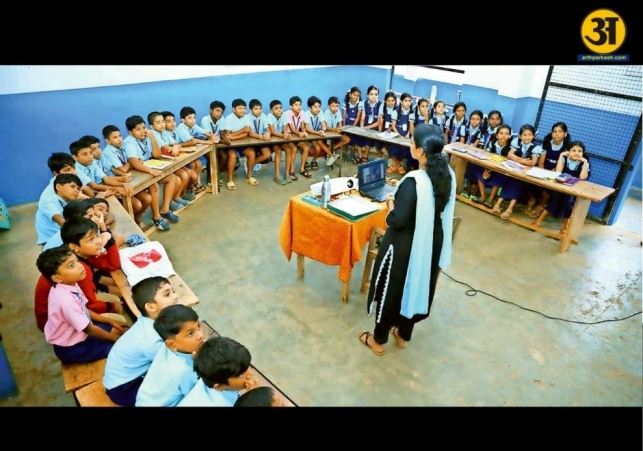
The Education Department will introduce a special period in the school timetable just for reading activities. This period will allow students to read books, newspapers, and other learning materials. The activities will be designed according to the students’ age groups.
For students in grades 1 to 4, the reading period will have weekly sessions that focus on early reading skills, using simple books and engaging activities. For students in grades 5 to 12, the weekly sessions will focus on newspaper reading and follow-up exercises. These will help students improve their understanding, think critically, and discuss current events in an informed way.
Teachers will be given specialised training to ensure that the reading programme is implemented effectively. A detailed handbook will be prepared to guide teachers on how to run reading-based activities for different age groups. The handbook will include methods to encourage participation, tips to improve comprehension skills, and ways to make reading enjoyable.
The minister also said that the Education Department is considering adding a reading-based competition to Kalolsavam, the state’s annual school arts festival. This will give students a platform to showcase their reading skills, participate in reading-related performances, and compete in events that promote the habit of reading.
Promoting a culture of reading
Minister Sivankutty explained that this initiative is not just about giving extra marks, but about creating a habit of reading that can last a lifetime. He believes reading helps in improving language skills, creativity, and overall knowledge. The move is expected to benefit both academic learning and personal growth.
The decision to link grace marks with reading habits is also meant to make students take the initiative seriously. By rewarding students for their efforts, the government hopes more children will start reading regularly, whether it’s books, newspapers, or magazines.
Political row over ‘Partition Horror Day’ directive
While the new reading initiative has been welcomed by educators, the Kerala government is also facing a political debate over a recent order from Governor Rajendra Vishwanath Arlekar. The Governor has directed university vice-chancellors to observe “Partition Horror Day” on August 14, the day before Independence Day.
The move has been criticised by both the ruling Left Democratic Front (LDF) and the opposition United Democratic Front (UDF). Higher Education Minister R Bindu strongly opposed the directive, saying it was an attempt to divide students and disturb the unity of Independence Day celebrations. She argued that the order was designed to damage democratic and secular values, insult the memory of freedom fighters, and create an unhealthy atmosphere in educational institutions.
Bindu called on the public to resist what she described as propaganda against the principles of secularism, social justice, and equality. She said such steps were unprecedented in Kerala and went against the state’s tradition of communal harmony.
ALSO READ: Significance of IAF downing an ELINT, AEW&C aircraft in Operation Sindoor
ALSO READ: India’s strategic options to counter Trump’s tariff pressure
Leader of the Opposition VD Satheesan also criticised the Governor’s action, saying it was “unconstitutional” and unacceptable. He claimed the Governor was acting as a “parallel system” instead of respecting the elected government.
Satheesan accused the Governor of following the ideology of the Sangh Parivar, a group he said had betrayed the freedom struggle. He warned that introducing divisive politics into Kerala’s education system could harm its secular society. Satheesan urged the state government to make sure the circular was not implemented and that universities did not observe “Partition Horror Day” under pressure.
Balancing education reforms and political disputes
The announcement of the reading habit initiative comes at a time when the state’s education sector is seeing both positive reforms and heated political disagreements. On one hand, the grace marks scheme reflects a focus on improving students’ learning culture and engagement. On the other, the row over the Governor’s directive shows how education in Kerala is also influenced by political and ideological conflicts.
For now, the Education Department is moving ahead with its reading promotion programme, which is expected to be ready by the start of the next academic year. Teacher training, the preparation of the handbook, and changes in school timetables will be key steps before the plan is fully in place.
If implemented successfully, the initiative could set an example for other states to adopt similar measures, making reading a central part of school education once again.
Related News