Fossil fuel pollution is harming our health and costing over $820 billion annually
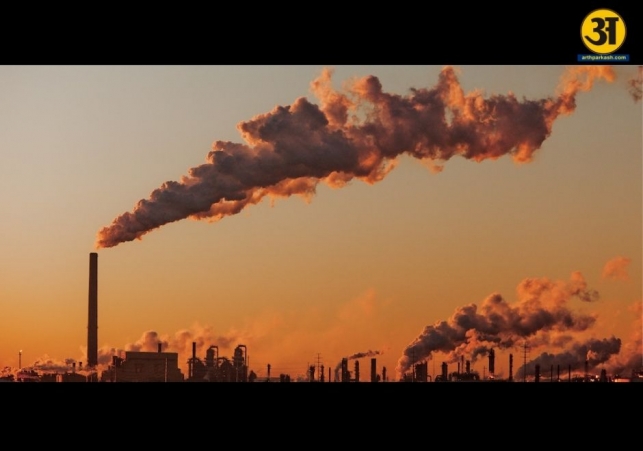
Fossil fuel pollution is killing us—and costing us over $820 billion a year
As someone deeply invested in public health and environmental policy, the findings of a new U.S. report have left me stunned—yet not surprised. The cost of fossil fuel pollution and climate change on public health is now estimated at over $820 billion per year. That’s not the cost of destroyed property or failed crops—it’s what we’re spending on hospital visits, premature deaths, asthma attacks, mental health issues, and diseases made worse by the fossil-fueled climate crisis.
What’s even more infuriating? This is not just a U.S. problem. Countries like India, already facing deadly heatwaves, choking air, and overburdened healthcare systems, are staring at a very similar future. The American report may have been released across the ocean—but the message it sends should ring loud and clear right here in India too.
Fossil fuels are draining our health, not just our resources
Let’s be honest—coal, oil, and gas have powered industries, cars, and homes for decades. But that “power” has come at an unimaginable cost. According to the report by NRDC and several health organizations, soot pollution alone—caused mainly by burning fossil fuels—leads to about 107,000 premature deaths every year in the U.S. Just imagine the scale in India, where air quality in most major cities is far worse and access to healthcare is far more unequal.
We’ve been told again and again that green transitions are expensive. But this report flips that narrative. It tells us that inaction is far more expensive, and every year we delay moving to cleaner energy, we bleed hundreds of billions—in lives lost, productivity damaged, and health systems burdened.
Climate change isn’t tomorrow’s problem—it’s today’s crisis
What struck me most in the report is the breakdown of costs tied directly to climate events. Heatwaves alone caused $263 million in health costs in one year. Wildfires? $16 billion. Add the rising toll of vector-borne diseases like Lyme disease and West Nile Virus—fueled by expanding mosquito and tick populations—and it becomes very clear that climate change is no longer some distant issue. It's here, and it's personal.
In India, we're already dealing with similar threats. From Dengue to severe heat-related illness, the signs are everywhere. These are not isolated environmental disasters—they are human health disasters in disguise.
ALSO READ: Top 6 Tech Innovations Disrupting Traditional Indian Retail
ALSO READ: The rise of the freelance economy: Challenges and opportunities
The poor and vulnerable always pay the most
Another hard truth: this burden doesn’t fall equally. In both the U.S. and India, marginalized and vulnerable communities suffer the worst consequences of pollution and climate-related illness. The rich can afford air purifiers and private hospitals. The poor? They breathe in the same toxic air, but are forced to skip treatment because they can’t afford it—or they wait in long lines at overburdened public health centres.
The report states that taxpayer-supported programs like Medicare and Medicaid cover a significant chunk of this healthcare cost. In India, the pressure falls on government hospitals and overworked frontline health workers. This widens inequality and creates a vicious cycle of illness and poverty.
This isn’t just a warning—it’s an opportunity
What I appreciate about this report is that it doesn’t just paint a grim picture. It offers a path forward. The benefits of climate action are enormous. Cleaner energy means cleaner air. Cleaner air means fewer hospital visits, longer lives, and reduced health costs. It’s a win-win.
Policymakers have a real chance to lead here. By investing in solar and wind energy, electrified public transport, green buildings, and community-level climate resilience, they won’t just reduce emissions—they’ll protect human lives.
And healthcare professionals? They need to be on the frontlines of this fight too. Hospitals must reduce their own carbon footprint and treat climate change as a direct threat to public health—because that’s exactly what it is.
We can’t afford silence or delay any longer
The biggest takeaway from this report is simple: the cost of inaction is too high. Fossil fuels are not just an environmental issue. They are a health emergency. We’re spending billions to treat diseases we could prevent, mourning lives we could save, and ignoring warnings we can no longer afford to dismiss.
If we act now, we won’t just save the planet—we’ll save lives. And that, in the end, is the most urgent economic and moral argument we can make.
Related News