Fast heartbeat at rest could signal a heart problem
Heart racing while resting may not always be anxiety, doctors warn
- By Gurmehar --
- Monday, 20 Apr, 2026
Many people experience a fast heartbeat during stress, fear, or nervousness. It is common for the heart to beat faster before an exam, during an argument, or in a tense moment. Because of this, many people assume that a racing heart is always caused by anxiety.
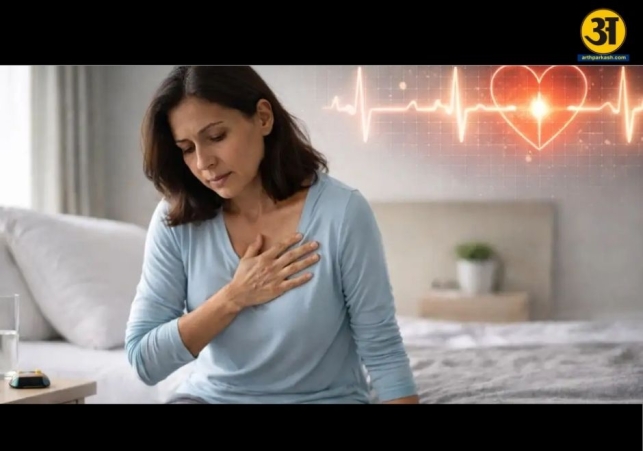
However, doctors say this is not always true. If your heart starts beating quickly while you are resting, sitting quietly, or lying down, it may need medical attention. A fast heartbeat without a clear reason can sometimes be a sign of an underlying heart condition.
Experts explain that while occasional episodes may be harmless, repeated or persistent symptoms should not be ignored. In some cases, a racing heart at rest may be linked to dehydration, fever, thyroid problems, low blood count, or stimulant use. In other cases, it may point to an abnormal heart rhythm known as arrhythmia.
Recognising the difference between stress-related symptoms and possible heart problems is important. Doctors say paying attention to your body can help prevent serious complications.
What is resting tachycardia?
A normal resting heart rate for most adults is usually between 60 and 100 beats per minute. This is the heartbeat when a person is calm and not doing physical activity. Athletes and very fit individuals may naturally have lower resting heart rates.
When the heart rate regularly rises above 100 beats per minute at rest, it is known as resting tachycardia. This means the heart is beating faster than expected even though the body is not exercising or under obvious stress.
Doctors explain that one occasional episode may happen because of pain, caffeine, dehydration, poor sleep, fever, or emotional stress. But if it happens repeatedly or lasts for long periods, it may need evaluation.
Some people describe resting tachycardia as fluttering in the chest, pounding, skipped beats, or a feeling that the heart is “racing.” Others may notice it only by checking a smartwatch, fitness band, or pulse.
Common symptoms that may happen with a racing heart include:
-
Palpitations or pounding heartbeat
-
Dizziness
-
Light-headedness
-
Shortness of breath
-
Chest discomfort
-
Fatigue
-
Sweating
-
Feeling faint or actually fainting
Doctors say if chest pain, severe breathlessness, or fainting happens, urgent medical care is needed.
When it may be more than anxiety
Anxiety can definitely increase heart rate. During stress, the body releases hormones such as adrenaline, which prepare the body for action. This naturally makes the heart beat faster. Once the stressful moment passes, the heart usually returns to normal.
But if the heart races without stress, while resting, or repeatedly during calm moments, another cause may be present. One important possibility is arrhythmia.
Arrhythmia means the heart is beating too fast, too slow, or irregularly. It happens when the electrical signals controlling the heartbeat do not work normally. Some arrhythmias are mild, but others can affect how well the heart pumps blood.
Doctors say common causes of abnormal heart rhythms include:
-
High blood pressure
-
Coronary artery disease
-
Previous heart attack
-
Valve disease
-
Weak heart muscles
-
Electrolyte imbalance
-
Thyroid disorders
-
Sleep deprivation
-
Smoking
-
Excess alcohol
-
Too much caffeine or energy drinks
-
Certain medicines or drugs
Sometimes even healthy people may develop rhythm problems, so symptoms should not be dismissed.
Diagnosis usually begins with a medical history and physical examination. Doctors may ask when the symptoms happen, how long they last, and whether dizziness or fainting occurs.
ALSO READ: US and Iran likely to hold second round of talks in Pakistan on Monday: Report
ALSO READ: Shooting scare at Washington Navy Yard sparks security alert
Tests may include:
-
ECG (Electrocardiogram): Records the heart’s electrical activity.
-
Holter monitor: Portable device worn for 24 hours or longer to track rhythm changes.
-
Echocardiogram: Uses ultrasound to check heart structure and pumping strength.
-
Blood tests: To look for anaemia, thyroid issues, infection, or electrolyte imbalance.
-
Stress test or imaging scans: If more detailed information is needed.
Treatment depends on the cause. If dehydration, stress, or stimulant use is the trigger, lifestyle changes may be enough. If a rhythm disorder is found, treatment may include medicines, procedures, or implanted devices.
Doctors often recommend simple habits to protect heart rhythm:
-
Get enough sleep every night
-
Limit caffeine and energy drinks
-
Stay hydrated
-
Exercise regularly
-
Manage stress
-
Avoid smoking
-
Reduce alcohol intake
-
Maintain healthy blood pressure and sugar levels
Monitoring your resting heart rate can also be helpful. Many watches and fitness trackers now provide this information. If your resting pulse remains unusually high or changes suddenly, it is worth discussing with a doctor.
Experts say one of the biggest mistakes people make is assuming every fast heartbeat is anxiety. While stress can affect the heart, repeated symptoms deserve attention. Treating the real cause early may prevent complications later.
A racing heart can feel frightening, but it is also the body’s way of asking for attention. If your heartbeat often speeds up while you are calm or resting, do not ignore it. A proper medical check-up can provide clarity, peace of mind, and timely treatment if needed.
The key message from doctors is simple: anxiety is one possibility, but not the only one. If something feels unusual, listen to your body and seek advice.
Related News