Explained: why Nepal Gen Z is protesting in Kathmandu
Nepal Gen Z protest explained: Causes of Kathmandu unrest and key demands
Nepal is facing major protests led by the Gen Z population after the government banned several social media platforms. The demonstrations in Kathmandu escalated quickly, causing injuries, one death, and widespread disruption. The protests reflect the anger of young people over the social media ban and broader issues such as corruption, government accountability, and freedom of expression.
The situation in Nepal began when authorities blocked popular social media platforms, including Facebook, Instagram, X (formerly Twitter), and YouTube. The government said these platforms had failed to register with the Ministry of Communication and Information Technology within the given deadline. According to the ministry, companies were given seven days from August 28 to comply, but many did not, leading to the ban. This move was not the first instance of social media restrictions in Nepal. In 2023, the government had banned TikTok for allegedly spreading indecent content and disrupting social harmony. The ban was lifted after TikTok agreed to follow local laws.
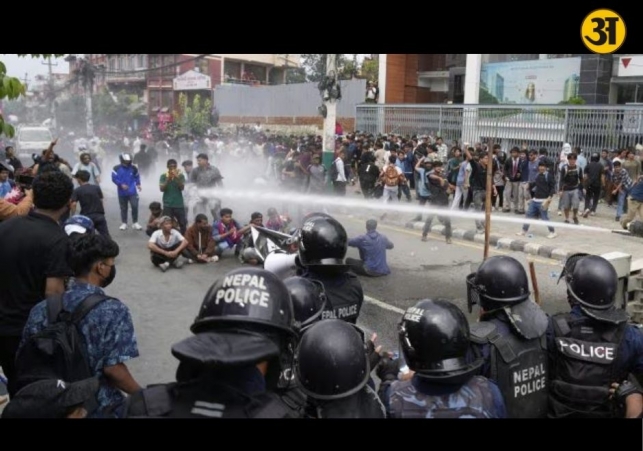
The Gen Z protests started as a peaceful march but escalated rapidly. Thousands of young people, generally born between 1995 and 2010, gathered to express their frustration. They chanted slogans such as “Stop the ban on social media, stop corruption not social media,” while waving the national flags. Initially, the protesters stayed on the streets, but the situation intensified when some broke through barricades near the Parliament building. They pushed police officers back, forcing them to retreat, and entered restricted areas close to the Parliament. Police responded with water cannons, tear gas, and rubber bullets. Despite these efforts, the protesters were able to continue their demonstrations, leading to a tense and chaotic situation.
Authorities imposed a curfew around key areas in Kathmandu to try to control the unrest. The initial curfew covered areas near the Parliament, government secretariat, and the President’s house. As the situation worsened, the Kathmandu District Administration extended the curfew to include additional high-security zones. These areas now include the President’s residence (Shital Niwas), the Vice President’s residence in Lainchaur, Maharajgunj, all sides of Singha Durbar, the Prime Minister’s residence in Baluwatar, and adjacent areas. The curfew is intended to prevent further violence and maintain public safety, but the protests have highlighted the depth of dissatisfaction among young Nepalis.
The violent clashes during the protests caused significant injuries and at least one death. Demonstrators reportedly threw tree branches and bottles at police, who had to use force to control the crowd. Some protesters managed to enter the Parliament compound, causing further disruption. The demonstrations reflect a combination of frustration with the social media ban and long-standing grievances over corruption, government inefficiency, and lack of transparency. Human rights groups have criticised the government, calling the social media restrictions a form of censorship aimed at limiting free expression and punishing those who speak out against authorities online.
The core demands of the protesters are clear. They want the restoration of all banned social media platforms and an end to government censorship. Additionally, they are calling for peace, transparency, and accountability in governance. The protests have been largely led by the younger generation, highlighting their demand for a modern, open society where they can freely communicate and hold leaders accountable. The demonstrators also demand that the government listen to their voices and implement reforms that benefit ordinary citizens rather than restricting their digital freedoms.
ALSO READ: Why CP Radhakrishnan deserves to be India’s next vice president
ALSO READ: EnteroMix cancer vaccine: Russia claims full effectiveness
The ban on social media in Nepal is part of a broader effort by the government to regulate online content. Officials argue that platforms must comply with local laws to ensure security and accountability. However, many citizens view these moves as an infringement on their rights to free speech and an attempt to control political narratives. The Gen Z-led protests have gained international attention, emphasizing the role of social media in civic engagement and political activism in the modern era.
The curfew and deployment of security forces have temporarily slowed down the protests, but the unrest has sparked discussions nationwide about government policies, online freedoms, and citizen rights. Local authorities continue to monitor the situation closely, while the Nepal Army has urged protesters to pursue dialogue rather than violence. Army officials stated that maintaining peace, security, and national unity is a shared responsibility and encouraged all sides to engage in discussions to resolve conflicts peacefully.
In conclusion, the Nepal Gen Z protests are a response to the social media ban and broader governance issues. The young population is demanding the restoration of platforms, better governance, and an end to corruption. While the government claims the ban is a legal requirement, protesters see it as censorship. The situation remains tense, with curfews in place and authorities monitoring key areas in Kathmandu. The protests underline the growing influence of social media on civic participation and the importance of listening to younger generations in shaping a country’s future.
Related News