Experts say spirituality may improve emotional balance and reduce stress
Can spirituality support mental health? Experts explain how mindfulness and self-awareness may help
Mental health problems are becoming more common in India. Many people today struggle with stress, anxiety, burnout, loneliness and emotional pressure. Long work hours, social media pressure, financial worries and fast-moving lifestyles are affecting emotional well-being across all age groups. At the same time, many people still hesitate to seek professional mental health support because of stigma, lack of awareness or limited access to treatment.
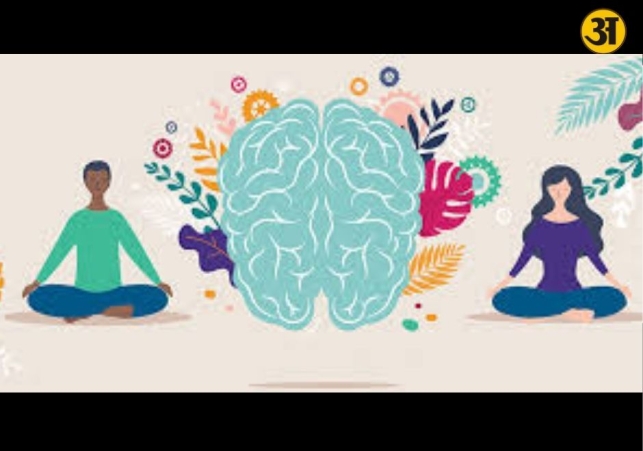
Amid this situation, mental health experts are increasingly discussing the possible connection between spirituality and emotional health. According to experts, practices such as meditation, yoga, mindfulness, self-reflection and prayer may help people feel calmer, emotionally balanced and mentally stronger when used along with modern medical care.
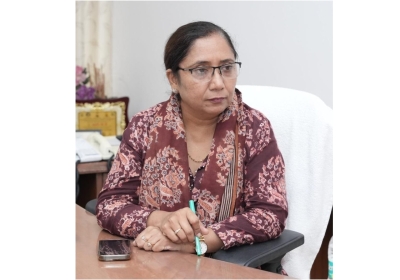
Dr Pritika Singh, healthcare entrepreneur and mental health expert, says India has a long tradition of spiritual and mindfulness practices that focus on emotional awareness and inner peace. She explains that these practices are not new to Indian culture. For centuries, people have used meditation, yoga and mindfulness to manage emotions and improve mental discipline.
Experts clarify that spirituality should not replace professional mental healthcare. However, it may work as a supportive tool that helps people handle emotional stress better in daily life.
The discussion around spirituality and mental health has become stronger in recent years because more scientific studies are now examining how meditation and mindfulness may affect the brain and emotional well-being.
According to experts, spirituality does not always mean religion. For many people, spirituality simply means finding inner peace, purpose, self-awareness and emotional connection with oneself and the world around them.
Mental health professionals say spirituality may help people slow down, reflect on their emotions and feel more emotionally stable during difficult times.
Many people today feel mentally exhausted because their minds are constantly active. They are continuously checking phones, social media notifications, work emails and online content. Experts say this overstimulation can increase anxiety, emotional fatigue and stress.
Practices like meditation and mindfulness may help calm the mind by improving focus and emotional awareness. According to experts, these techniques encourage people to stay present instead of constantly worrying about the future or overthinking the past.
Doctors say meditation may also help reduce emotional reactions to stress. Instead of immediately reacting with panic, anger or fear, people may slowly learn how to observe emotions more calmly.
Experts explain that mindfulness means paying attention to thoughts and feelings without judging them. This may help people understand their emotional patterns better.
Yoga is also being discussed as an important part of emotional wellness. In India, yoga has traditionally been linked to both physical and mental balance. Doctors say yoga combines breathing exercises, physical movement and relaxation, which may help reduce stress levels.
According to experts, controlled breathing exercises may help calm the nervous system and improve emotional regulation.
Several studies conducted in recent years have suggested that meditation and mindfulness may help reduce symptoms linked to anxiety, stress, emotional exhaustion and depression. Some studies have also explored how meditation may influence areas of the brain connected to emotional control and stress response.
Experts say meditation may help improve self-awareness. Many people today feel emotionally disconnected because they rarely pause and reflect on how they are actually feeling. Spiritual practices may create moments of silence and reflection that help people reconnect with their emotions.
Doctors also believe spirituality may help some people feel hopeful during difficult situations such as grief, loneliness or uncertainty.
In India, spiritual practices are often deeply connected with daily life and family traditions. Prayer, meditation, community gatherings and rituals may provide emotional comfort to many people.
Mental health experts say cultural familiarity is important. Some people may feel more comfortable starting emotional healing through mindfulness, meditation or yoga because these practices already feel familiar and accepted within society.
At the same time, experts strongly warn against replacing professional treatment with spirituality alone.
Doctors say conditions such as severe depression, bipolar disorder, panic attacks, psychosis or suicidal thoughts require medical attention and professional mental healthcare. Meditation or spirituality alone may not be enough in serious mental health conditions.
Experts stress that therapy, counselling and psychiatric treatment remain extremely important for people struggling with major emotional or psychological difficulties.
Mental health professionals say spirituality should be seen as supportive care, not a substitute for treatment.
ALSO READ: Russia plans to deploy powerful Sarmat nuclear missile by end of 2026
ALSO READ: Donald Trump to visit China after nearly nine years amid global tensions
Importance of emotional balance
Experts say one major reason people are becoming interested in spirituality today is because modern life often feels emotionally overwhelming. Many individuals feel pressure to always remain productive, successful and emotionally strong.
Social media has also created constant comparison and emotional pressure. People often feel the need to appear happy, successful and mentally perfect online, even when they are struggling internally.
According to experts, mindfulness and self-awareness practices may help people disconnect from constant external pressure and focus more on their emotional needs.
Doctors say emotional balance does not mean avoiding emotions completely. Instead, it means learning how to experience emotions without becoming completely controlled by them.
Experts also say spirituality may encourage healthier habits such as self-reflection, gratitude, patience and emotional acceptance.
Simple practices that may support emotional wellness include:
-
Daily meditation
-
Yoga and breathing exercises
-
Spending quiet time without screens
-
Practising gratitude
-
Self-reflection and journaling
-
Spending time in nature
-
Building meaningful social connections
Mental health professionals say small daily habits may slowly improve emotional resilience and mental clarity.
Experts also encourage people to speak openly about mental health instead of silently struggling with emotional stress.
Doctors say emotional wellness requires both self-care and professional support when needed. Spirituality may help many people feel calmer and emotionally grounded, but reaching out for therapy or counselling should never be seen as weakness.
As conversations around mental health continue to grow in India, experts believe combining modern mental healthcare with culturally familiar practices like mindfulness, yoga and meditation may help more people seek emotional support comfortably and confidently.
Related News