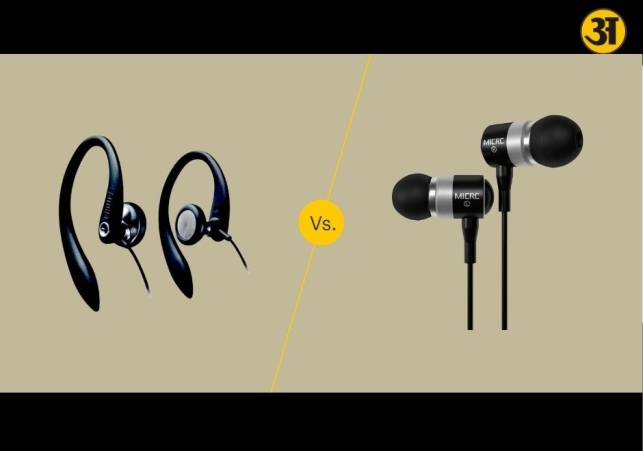
Experts explain how to protect your ears while listening
Headphones or earbuds: Which option is safer for your hearing?
- By Gurmehar --
- Friday, 05 Jun, 2026
Music, videos, online classes, gaming, and work meetings have become a regular part of daily life. Because of this, millions of people use headphones or earbuds every day. Some wear them while travelling, others use them during workouts, and many keep them on for several hours while working or studying.
As the use of personal audio devices continues to increase, many people are asking an important question: Are headphones safer than earbuds for your ears?
According to hearing specialists and ENT doctors, the answer is not completely simple. Both headphones and earbuds can affect hearing if they are used incorrectly. However, experts generally believe that over-ear headphones may be a slightly safer option because they sit outside the ear canal and place less direct pressure on the ears.
At the same time, doctors stress that the biggest factor is not the device itself but how loudly and how long people listen. Even the safest headphones can damage hearing if the volume is too high or if they are used continuously for many hours.
Hearing loss is becoming a growing concern among young people. Experts warn that habits formed today can affect hearing health later in life. Understanding the difference between headphones and earbuds can help people make better choices and protect their ears.
Why earbuds may increase hearing risks
Earbuds are small, lightweight, and easy to carry. They fit directly inside the ear canal, making them a popular choice for many people.
However, this design is also one of the reasons hearing experts are concerned about their long-term use.
According to ENT specialist Dr Harsh Suri, earbuds sit very close to the eardrum. Because of this, sound waves travel a much shorter distance before reaching the sensitive structures inside the ear.
When sound is delivered so close to the eardrum, the ears receive a stronger impact. If the volume is high and listening continues for long periods, the risk of hearing damage increases.
Many users also turn up the volume without realising it. Since earbuds sit inside the ear canal, outside sounds may still be heard, especially in busy places such as buses, trains, markets, or offices.
To overcome background noise, people often increase the volume. Over time, this habit can expose the ears to harmful noise levels.
ALSO READ: Canada’s economy slows as immigration falls, says Prime Minister Mark Carney
Experts say frequent use of earbuds may contribute to several problems, including:
-
Hearing loss
-
Ringing in the ears (tinnitus)
-
Ear discomfort
-
Ear infections
-
Wax buildup
-
Ear fatigue
Another concern is hygiene. Since earbuds are inserted directly into the ear, they can collect bacteria, sweat, and dirt if not cleaned regularly.
Doctors recommend cleaning earbuds frequently and avoiding sharing them with others.
Although earbuds are convenient, experts advise users to be careful about volume levels and listening duration.
Healthy listening habits matter most
While many specialists consider over-ear headphones a safer choice, they are not completely risk-free.
Headphones sit outside the ear canal and create more space between the sound source and the eardrum. This distance helps reduce direct pressure on the ear.
Many modern headphones also offer active or passive noise cancellation. This technology reduces background noise and allows users to hear audio clearly at lower volume levels.
According to hearing expert Anup Anand, noise-cancelling headphones can be particularly useful in noisy environments because users do not need to raise the volume significantly.
However, experts emphasise that even headphones can cause permanent hearing damage if used improperly.
Jeevan Kasra, Chairman of Steris Healthcare, warns that listening at very high volumes for long periods can damage the tiny hair cells inside the inner ear.
These hair cells play a vital role in hearing. Once they are damaged, they do not grow back. As a result, hearing loss caused by noise exposure is often permanent.
One of the biggest dangers is that hearing loss usually develops slowly. Many people do not notice a problem until it becomes more serious.
Early signs may include:
-
Ringing in the ears
-
Difficulty hearing conversations
-
Trouble understanding speech in noisy places
-
Feeling tired after listening for long periods
-
Frequently increasing volume levels
To protect hearing, specialists recommend following the simple and effective 60/60 rule.
The 60/60 rule means:
-
Keep volume below 60% of the maximum level.
-
Listen for no more than 60 minutes at one time.
-
Take breaks before starting another listening session.
These breaks give the ears time to recover and reduce overall noise exposure.
Experts also remind people that hearing damage does not only come from headphones or earbuds. Many everyday activities expose people to loud sounds.
Traffic noise, concerts, sporting events, gaming, construction sites, factories, and crowded entertainment venues can all contribute to hearing problems over time.
The effects of these exposures add up. Even if someone listens safely through headphones, regular exposure to other loud environments can still affect hearing health.
Doctors therefore recommend a complete hearing-protection approach. This includes lowering volume levels, limiting listening time, taking regular breaks, and avoiding unnecessary exposure to loud noise whenever possible.
When comparing headphones and earbuds, most hearing experts believe over-ear headphones offer some advantages because they sit outside the ear canal and often allow lower listening volumes.
However, the most important factor remains listening habits. A person using headphones at maximum volume for hours can experience more damage than someone using earbuds responsibly.
Ultimately, protecting hearing is about making smart daily choices. Keeping the volume moderate, following the 60/60 rule, and giving your ears regular breaks can help preserve hearing for many years.
Experts say hearing loss is no longer just a problem associated with old age. Young people are increasingly experiencing hearing-related issues due to modern listening habits. By taking simple precautions today, people can enjoy music, entertainment, and communication while keeping their hearing healthy for the future.
Related News