Expert clears up major myths about epilepsy
Common epilepsy misunderstandings debunked by medical expert
Epilepsy affects millions of people in India, yet many families face fear, confusion, and social stigma when someone experiences their first seizure. Panic and old myths often make the situation worse, delaying proper diagnosis and treatment. Dr. Gopal Shukla, Director of Neurosurgery at Paras Health Kanpur, says misinformation is the real risk, not the disease itself.
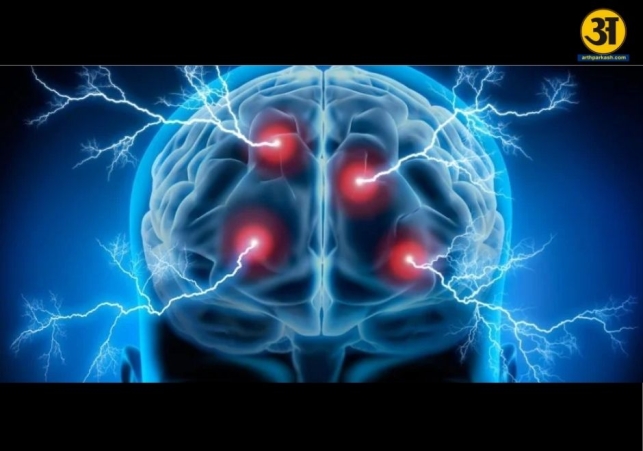
Epilepsy is a neurological condition in which the brain repeatedly produces unprovoked seizures. These seizures happen when groups of brain cells send abnormal electrical signals. While some seizures are noticeable, like jerking movements, many are subtle. People may suddenly stare blankly, pause for a few seconds, or seem briefly confused.
It is important to note that epilepsy is not a mental illness, is not infectious, and is not caused by past actions or karma. It is a medical condition, similar to diabetes or thyroid disorders, that requires proper care. With early diagnosis, structured treatment, and simple safety measures, most people with epilepsy can lead normal, independent lives.
Common myths and facts about epilepsy
Despite its prevalence, epilepsy is surrounded by myths. Here are some of the most common misconceptions and the truth behind them:
-
“Epilepsy spreads from person to person.”
Epilepsy is not contagious. Touching someone, sharing food, or being close to a patient does not cause seizures. Avoiding contact only isolates the person unnecessarily. -
“A seizure always means epilepsy.”
Not every seizure indicates epilepsy. One seizure can happen due to fever, infection, sleep loss, alcohol withdrawal, electrolyte imbalance, or head injury. Epilepsy is diagnosed only when a person has two or more unprovoked seizures, usually confirmed with EEG, MRI, and medical evaluation. -
“All seizures look the same.”
Seizures can appear very different. While many imagine violent shaking, some seizures are subtle. Types include:
-
Absence seizures – brief blank stare for 10–20 seconds
-
Focal seizures – repetitive hand movements, lip smacking, or confusion
-
Atonic seizures – sudden loss of muscle tone or falls
-
Tonic–clonic seizures – classic jerking movements
Recognizing these different types helps families seek treatment sooner.
-
“Patients should be restrained during a seizure.”
Restraint is dangerous. Never put objects like spoons or keys in the mouth. Safe first aid includes:
-
Laying the person on their side
-
Keeping surroundings clear of hazards
-
Loosening tight clothing
-
Timing the seizure
-
Seeking emergency care if it lasts more than five minutes
-
“Epilepsy cannot be treated.”
Most patients (70–80%) can live seizure-free with proper medication. For those who do not respond to medicines, options include epilepsy surgery, vagus nerve stimulation, and supervised dietary therapy. Delays in seeking treatment are often due to stigma, not the lack of options. -
“People with epilepsy cannot live normal lives.”
Children with epilepsy can study, play, and grow normally. Adults can work, marry, travel, and live independently. Regular follow-ups, medication adherence, and avoiding triggers like sleep deprivation, missed doses, stress, and excessive alcohol are key.
ALSO READ: Skipping your morning meal could silently harm your health, say experts
ALSO READ: Bangladesh faces rising tensions as legal battle over Hasina intensifies
When to see a doctor
It is important to consult a doctor if any of the following occur:
-
Repeated episodes of blank staring
-
Sudden pauses in activity or behaviour
-
Confusion after brief spells
-
Jerky movements during sleep
-
Unexpected falls
-
A seizure lasting more than five minutes
Early treatment reduces complications and improves long-term health outcomes. Understanding epilepsy helps remove fear, stigma, and discrimination. Families who learn the facts can provide support, ensure treatment, and help patients live full, dignified lives. Awareness and education about epilepsy do more than change conversations—they save lives.
Related News