Ethanol push reshapes Indian farmlands
India’s ethanol drive transforms farming landscapes and crop choices
India’s farmland is going through a quiet but significant transformation. New government data show that crops used for ethanol production, like sugarcane and maize, are expanding, while traditional crops such as soybean are losing ground. This shift is happening across multiple states and is largely driven by government policies that guarantee demand for ethanol feedstock.
Sugarcane, a long-standing crop in India, has seen its coverage increase. According to the Ministry of Agriculture’s weekly report, sugarcane covered 59.07 lakh hectares as of September 19, 2025, compared to 57.22 lakh hectares in the previous year. This increase of over 1.8 lakh hectares, or 3.2 per cent, may seem small but is significant for a crop that requires a lot of land and water.
Maize has seen an even bigger jump. This kharif season, maize acreage reached 95 lakh hectares, an increase of 10.6 lakh hectares from the previous year. Compared to the five-year average, this is more than an 11 per cent rise, according to the Agriculture Ministry’s crop monitoring data. The trend is not a seasonal accident but aligns with the government’s long-term ethanol strategy, which promotes the use of maize and surplus rice for distilleries.
Farmers shift to ethanol crops for better returns
While sugarcane and maize are expanding, oilseeds like soybean are shrinking. Soybean coverage dropped from 126.3 lakh hectares in 2024 to 120.4 lakh hectares in 2025, a decline of almost six lakh hectares. This shows that maize is encroaching on traditional soybean areas, which is worrying for India as it imports more than half of its edible oil.
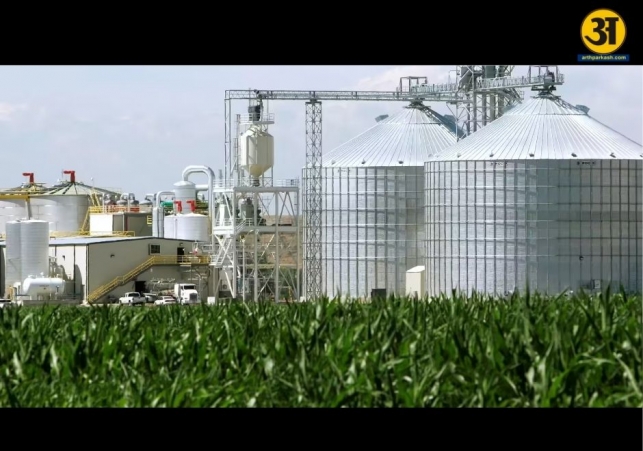
The main reason for this shift is money. The ethanol market is real and profitable. Oil companies are blending nearly 20 per cent ethanol into petrol. The Petroleum Planning and Analysis Cell reported 19.8 per cent blending in August 2025 and an average of 19.1 per cent over the past year.
Maize has now become the largest feedstock for ethanol, according to the Bureau of Energy Efficiency. Sugarcane already had strong support through guaranteed mill procurement, and ethanol provides an additional revenue stream. Maize also benefits from demand from feed and distilleries. On the other hand, soybeans face price fluctuations and lack strong government procurement, making them less attractive to farmers.
This shift shows how economic incentives shape farming decisions. Farmers are choosing crops that offer stable income and multiple market opportunities, even if that means moving away from traditional food crops.
The cost of ethanol-driven farming
The expansion of sugarcane and maize comes with environmental and long-term risks. Sugarcane is extremely water-intensive, needing about 1,500–2,000 kg of water for 1 kg of sugar. This puts pressure on groundwater resources, which is a major concern highlighted in a 2023 NITI Aayog report on sugar and water use.
The focus on ethanol crops also reduces crop diversity, which could impact food security in the long term. When farmers concentrate on a few profitable crops, the production of other essential crops like oilseeds or pulses may decline, potentially leading to higher imports and price fluctuations.
Despite these challenges, India is achieving its fuel-blending targets, which aim to reduce dependence on fossil fuels and cut carbon emissions. Ethanol blending helps meet energy security goals but comes with trade-offs for agriculture, water resources, and dietary diversity.
A senior agriculture official noted, “The numbers don’t lie. Farmers are following the money, and right now, the money is in ethanol crops.” This reflects the reality that policies and market incentives have a direct impact on how land is used.
ALSO READ: Why Indian elections face fairness challenges despite being largely free
ALSO READ: BJP names Dharmendra Pradhan to lead Bihar election campaign
India’s ethanol push is part of a broader energy and climate strategy, but it is reshaping the agricultural landscape. Sugarcane and maize are thriving due to policy support and guaranteed ethanol demand, while crops like soybean are declining due to market and procurement challenges.
The government faces the challenge of balancing energy goals with agricultural sustainability. Ensuring that farmers continue to grow a variety of crops is important for food security, environmental protection, and long-term farm income stability.
As India moves forward with its ethanol blending program, policymakers will need to monitor the impact on land use, water resources, and crop diversity. Farmers, meanwhile, are responding to market signals, showing that economic incentives often outweigh environmental or traditional considerations.
The country’s journey toward cleaner fuel is intertwined with the future of its farmlands, and the choices made today will influence food security and ecological balance for decades.
Related News