Essential PCOS facts and myths
PCOS explained: Key myths and truths for women’s health
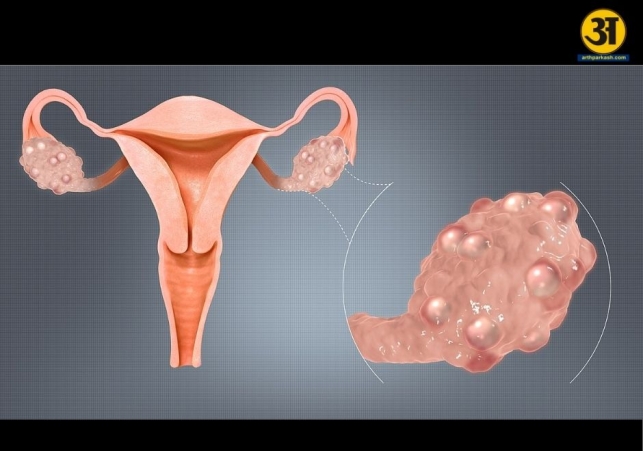
Polycystic Ovary Syndrome (PCOS) is a common hormonal condition affecting women, especially those of reproductive age. It happens when the ovaries produce higher-than-normal amounts of male hormones, called androgens. This can lead to irregular periods, formation of ovarian cysts, acne, excess hair growth, weight gain around the waist, and difficulties in conceiving. PCOS can also affect mental health, causing stress, anxiety, or depression. The causes include hormonal imbalances, genetics, stress, weight gain, and lack of physical activity.
Despite its prevalence, PCOS is often misunderstood. Many myths make women hesitate to seek help or delay treatment. According to Dr. Padma Srivastava, Consultant Obstetrician & Gynaecologist at Motherhood Hospitals in Pune, knowing the facts about PCOS can help women manage it better and improve their quality of life.
Debunking common PCOS myths
Myth 1: Only overweight women have PCOS
This is not true. PCOS can affect women of all body types, including thin women. Being overweight can worsen the symptoms, but slim women can also develop PCOS due to genetic or hormonal reasons.
Myth 2: PCOS always causes infertility
PCOS can make conceiving more difficult, but it does not mean permanent infertility. Many women with PCOS become mothers with proper treatment, lifestyle changes, and fertility support like IVF. Infertility is not guaranteed.
Myth 3: Irregular periods are the only sign of PCOS
PCOS symptoms vary. Besides irregular cycles, women may experience acne, hair growth on the face, hair thinning, weight gain, mood changes, and skin darkening. Noticing these early helps in timely diagnosis and treatment.
Myth 4: PCOS is only a reproductive problem
PCOS affects more than fertility. It can increase the risk of diabetes, heart disease, and mental health issues like anxiety and depression. Managing PCOS early is essential to reduce these long-term risks.
Myth 5: PCOS can be permanently cured
There is no permanent cure for PCOS, but it can be effectively managed. Lifestyle changes, timely treatment, and regular monitoring help control symptoms. Focus should be on long-term management rather than expecting a complete cure.
Myth 6: Birth control pills are the only treatment
While birth control pills can regulate periods, they are not the only treatment. Lifestyle changes, weight management, insulin-sensitising medicines, and stress reduction are also important. Treatment is tailored to each woman’s symptoms and goals.
Myth 7: PCOS does not affect mental health
PCOS can impact mental health. Women may face anxiety, depression, or low self-esteem due to acne, unwanted hair, or weight gain. Mental health support through counselling or therapy is important alongside physical treatment.
Myth 8: PCOS only affects adults
PCOS can start during teenage years. Signs include irregular periods, acne, and unwanted hair growth. These are often mistaken as normal teenage changes. Early awareness helps in faster diagnosis and better management.
ALSO READ: Taliban-linked TTP leader Noor Wali Mehsud fuels border tensions
ALSO READ: Kashmir voters face disappointment after high expectations
Managing PCOS effectively
Lifestyle changes are the first step in managing PCOS. Healthy diet and regular exercise are crucial. Even a 5–10% reduction in body weight can help regulate periods, improve ovulation, and lower long-term risks. Women should track their menstrual cycles, note any sudden changes in their body, and consult a doctor promptly. Early diagnosis and proper management not only improve fertility but also protect overall health and well-being.
PCOS requires a comprehensive approach, including physical care, mental health support, and lifestyle management. By understanding the myths and facts, women can take control of their health, reduce complications, and lead a healthier, more confident life.
PCOS is common but often misunderstood. Myths about weight, fertility, age, and treatment can delay care. Women of all ages and body types should be aware of symptoms and seek early medical guidance. Lifestyle changes, proper treatment, and support for mental health can help women manage PCOS effectively and improve their quality of life. Awareness and timely action are key to handling this condition successfully.
Related News