Early signs of childhood cancer every parent should know
Doctor explains early warning signs of childhood cancer in India
- By Gurmehar --
- Friday, 03 Oct, 2025
Cancer is often thought of as a disease affecting older adults, but it can strike children too. According to the World Health Organization (WHO), around 400,000 children and adolescents aged 0–19 are diagnosed with cancer every year globally. In India, over 50,000 new cases of childhood cancer are reported annually, accounting for nearly 3–4 percent of all cancers in the country. While these numbers are worrying, the good news is that many childhood cancers are highly treatable, especially if detected early. Studies suggest that timely diagnosis and treatment at specialised centres can cure over 80 percent of paediatric cancers.
Early detection is key. Parents do not need to live in fear, but they must be alert to warning signs. Delays in diagnosis can reduce treatment success, making awareness critical. Dr Ganesh Shiwarkar, Senior Consultant – Paediatrics & Neonatology at Surya Mother and Child Super Speciality Hospital in Pune, explains, “Childhood cancers are not a death sentence. But delays in diagnosis often cost precious time. Awareness of red flags can empower parents to act quickly and save lives.”
Childhood cancers can affect different organs and systems, including the blood, bones, brain, lymph nodes, and soft tissues. Each type may present with specific signs, but there are common symptoms that parents should watch for. Because children often experience fevers, fatigue, or minor injuries, it can be easy to overlook warning signs. However, persistent, unusual, or unexplained symptoms should always be evaluated by a doctor.
Early warning signs parents must know
Being aware of early warning signs can make a life-saving difference. Here are the main indicators parents should never ignore:
-
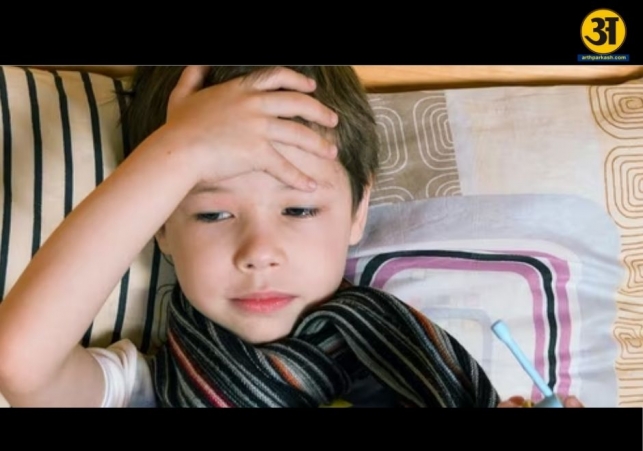
Persistent fever – Fevers that do not resolve with normal care or linger unusually may signal an underlying problem beyond a common infection.
-
Unexplained weight loss – Children who do not gain weight as expected despite a normal diet should be medically assessed.
-
Unusual lumps or swellings – Lumps in areas such as the neck, armpits, abdomen, or limbs that persist, grow, or are painful should be investigated.
-
Frequent or recurrent infections – Persistent infections that do not respond well to treatment may indicate immune system issues.
-
Constant fatigue – Tiredness that is disproportionate to a child’s daily activities, especially if persistent, is a warning sign.
-
Bone or joint pain – Unexplained pain, particularly during the night or without injury, may signal serious underlying conditions.
-
Vision and neurological changes – Sudden vision problems, persistent headaches, nausea, vomiting, or coordination issues may indicate neurological involvement.
-
Easy bruising or bleeding – Frequent bruising, nosebleeds, or gum bleeding without a clear cause should be checked immediately.
-
Swollen lymph nodes – Painless and persistent swelling of lymph nodes, especially if they enlarge over time, is a red flag.
-
Respiratory symptoms – Persistent cough, wheezing, or shortness of breath without a clear reason should be evaluated.
-
Fever with rashes – Conditions such as unexplained skin spots, purpura, or ecchymosis may signal serious issues like blood-related cancers.
Not every fever, bruise, or lump indicates cancer, but persistent or unusual symptoms should never be ignored. Early evaluation by a paediatrician is essential to rule out serious conditions and begin timely treatment if needed.
Dr Shiwarkar emphasizes that parents should trust their instincts. “Informed vigilance is the best ally of parents. If something in your child’s health feels unusual and does not improve, consult a paediatrician without delay. Early detection significantly improves the chances of successful treatment and recovery.”
In addition to these warning signs, parents are encouraged to maintain regular health check-ups for their children, observe changes in behavior, energy, and appetite, and seek medical advice for any persistent or unexplained symptoms. Paediatric specialists can conduct the necessary tests, including blood work, imaging, and biopsies if required, to identify any early-stage cancer.
ALSO READ: RSS completes 100 years of service and organisation
ALSO READ: Coffee on empty stomach? AIIMS doctor warns against these coffee habits
Modern treatments for childhood cancer, including chemotherapy, radiotherapy, and targeted therapies, have improved survival rates significantly. When diagnosed early, children often respond well to treatment and can go on to lead healthy lives. Early intervention is crucial not just for curing the disease but also for reducing complications and improving quality of life.
Parents also play an important role in supporting their children emotionally during treatment. Awareness of early signs combined with prompt medical attention can transform outcomes. Communities, schools, and healthcare systems can further support families by spreading awareness about childhood cancer and encouraging timely consultation with specialists.
In conclusion, childhood cancer in India affects thousands of children every year, but early detection saves lives. Persistent fever, unusual lumps, fatigue, unexplained bruising, and other warning signs must never be ignored. Parents need to be vigilant, informed, and proactive, ensuring that any unusual health changes in their children are promptly evaluated. With timely intervention, many children can overcome cancer and lead healthy, fulfilling lives, proving that knowledge and awareness are the most powerful tools in fighting this disease.
Related News