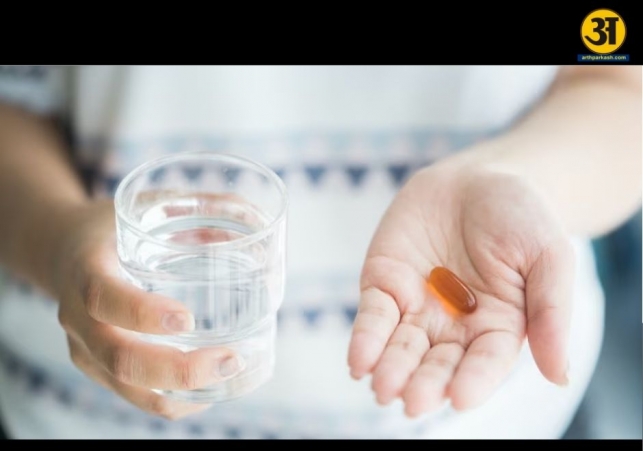
Doctors warn against vitamin D self-medication
Self-medicating with vitamin D can cause serious side effects, doctors warn
Vitamin D is often called the “sunshine vitamin” because it helps strengthen bones and supports immunity. Many people, especially arthritis patients, believe that taking more is better. This has led to a rise in vitamin D overdose cases, according to doctors. Arthritis patients are particularly vulnerable because they often take multiple medicines, including steroids, calcium supplements, and painkillers, which already affect bone health and calcium metabolism.
Dr Simon Thomas, Senior Director of Robotic Joint Replacements and Orthopaedics at Max Super Speciality Hospital, Shalimar Bagh, explains, “Many patients assume vitamin D is completely safe because it’s available over the counter. But when taken without medical supervision, it can do more harm than good, especially for arthritis patients.” Excess vitamin D can cause hypercalcemia, a condition where calcium levels in the blood become too high. Symptoms include nausea, vomiting, fatigue, kidney stones, and even irregular heartbeats.
Most overdose cases begin with self-medication. A patient may get a blood test showing low vitamin D, buy high-dose capsules online, and continue taking them without consulting a doctor. Some follow health tips from the internet or social media, unaware of the risks. Dr Thomas notes, “There’s no national guideline on vitamin D use, which causes confusion. Some patients take 60,000 IU weekly for months, far exceeding safe limits. It’s not just an overdose; it’s chronic misuse.”
How to use vitamin D safely
When used correctly, vitamin D can help improve arthritis symptoms, reduce pain, and enhance mobility. Studies show that taking about 4,000 IU per day for six months under medical supervision can be effective. The key is customized dosing based on blood levels, with regular checks for calcium and kidney function.
Dr Thomas advises, “Doctors recommend supplements only if you are deficient. Once your levels are normal, maintenance doses of 600 to 800 IU per day are enough. More does not mean better.” Patients should never self-medicate or exceed recommended doses, as doing so can silently harm bones, kidneys, and the heart.
ALSO READ: Upcoming fighter jets set to modernize the Indian Air Force by 2035
It is also important to watch for signs of overdose. Common symptoms include:
-
Persistent nausea or vomiting
-
Unexplained fatigue or confusion
-
Increased thirst or frequent urination
-
Back or lower abdominal pain (possible kidney stones)
-
Irregular heartbeat
If any of these appear while taking vitamin D supplements, stop immediately and consult a doctor. Proper monitoring ensures that the supplement provides benefits without causing harm.
Vitamin D is an important ally in maintaining bone and joint health, especially for arthritis patients, but it must be treated like a medicine, not just a supplement. Self-medicating or overdosing can quietly damage the organs and joints you are trying to protect. As Dr Thomas puts it, “Vitamin D deficiency can hurt, but so can excess. It’s time we stop treating supplements as harmless and start respecting them as medicines that need care and control.”
In conclusion, vitamin D supplements are safe only when used properly. Patients should follow medical guidance, stick to recommended doses, and undergo regular blood and kidney tests if taking long-term supplements. Awareness about the dangers of overdose can help prevent serious health problems while still allowing people to benefit from this essential vitamin. Proper use of vitamin D can support stronger bones, reduce arthritis pain, and improve overall health—but only when taken under the watchful eye of a healthcare professional.
Related News