Delhi blast: NIA reveals Dr Muzammil's AK-47 purchase and explosive plot
Delhi blast case: Dr Muzammil bought AK-47 for Rs 6.5 lakh, NIA uncovers multi-location plot
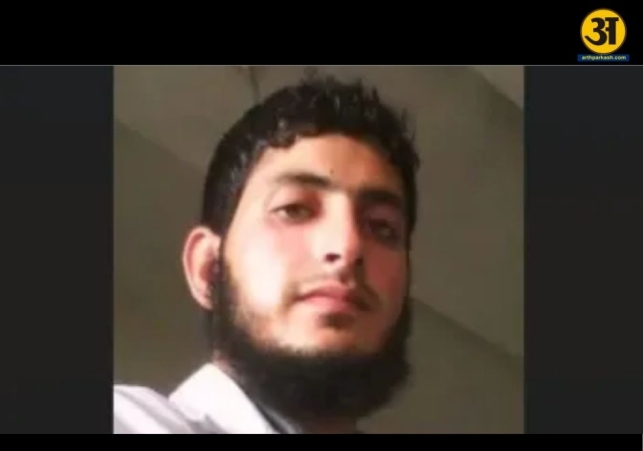
New Delhi: Investigators have revealed significant developments in the Red Fort blast case of 10 November 2025. Dr. Muzammil Ganaie, one of the accused, reportedly bought an AK-47 for Rs 6.5 lakh, which was later recovered from co-accused Adeel Rather’s locker. The National Investigation Agency (NIA), which is probing the case, describes the operation as a sophisticated terror module involving students and professionals across several states, with international links.
According to the investigation, Muzammil was being handled by Mansoor, while another accused, Umar, reported to Hashim. Both handlers worked under a senior operative named Ibrahim, who coordinated the activities across regions. In 2022, following instructions from Okasa, linked to the Pakistan-based Tehrik-e-Taliban (TTP), Muzammil, Adeel, and Muzaffar traveled to Turkey to meet a contact who would help them reach Afghanistan. However, the plan failed when the contact refused after nearly a week. Communication with Okasa continued through a Telegram account, investigators said.
Meanwhile, Umar was reportedly radicalized online and learned bomb-making techniques from the internet. He acquired various materials and electronics from local markets in Nuh, Bhagirath Palace, and Faridabad’s NIT Market. Although the items were collected, authorities have not disclosed technical details about how explosives were to be made for security reasons.
A conflict between Umar and Muzammil over money at their university drew the attention of other students. Following this incident, Umar handed over his red Eco car, which contained explosive materials, to Muzammil. Investigators also revealed that Umar bought a deep freezer to store chemicals in preparation for a coordinated attack. The group planned to store explosive materials at multiple locations and detonate them simultaneously, signaling a well-organized conspiracy.
On Thursday, the Patiala House Court remanded Dr. Muzammil, Adeel Rather, Shaheen Shahid, and Maulvi Irfan Ahmed Wagay to 10-day NIA custody. The four had initially been arrested by Jammu & Kashmir Police for their alleged involvement in the wider terror module. The NIA took their custody in Srinagar and is coordinating closely with state police across Jammu & Kashmir, Haryana, and Uttar Pradesh.
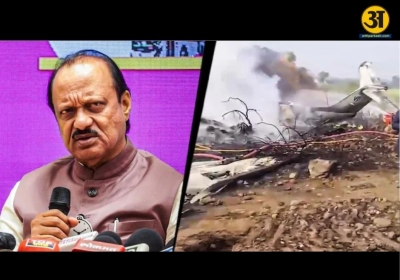
The Red Fort blast itself was a high-intensity explosion near Gate No. 1, killing 15 people. The vehicle involved was driven by Dr. Umar un Nabi, who died in the blast. Investigators say he had purchased the car under the name of another accused, Amir Rashid Ali, who is already in custody. Authorities also arrested Jasir Bilal Wani, known as Danish, after learning Umar tried to recruit him as a suicide bomber. Wani refused but is said to have provided technical assistance to Jaish-e-Mohammed operatives.
A day before the blast, officers recovered 2,900 kilograms of explosive materials from Al-Falah University in Faridabad, showing the scale of the conspiracy. This led investigators to describe the module as a well-educated terror network operating under the guise of students and professionals.
ALSO READ: How stable tax rules can rebuild business trust and boost growth
ALSO READ: A simple daily breathing test can reveal early signs of lung trouble
University involvement and missing chemicals
The Home Ministry immediately transferred the case to NIA after the attack. Officials said the agency is now tracing handlers, recruiters, financiers, and facilitators, along with international communications, funding sources, and cross-border connections.
The investigation at Al-Falah University has uncovered several inconsistencies. Officials said that more than a dozen staff members were questioned, and many statements contradicted each other. Some faculty and doctors reportedly went missing on the night of the blast, abandoning classes and duties. Several social media accounts linked to suspects were deactivated, and multiple mobile phones remain switched off. Bank accounts with balances over Rs 2 lakh have been frozen while call logs and chat histories are being examined.
NIA’s probe into university laboratories revealed that chemicals, glassware, ammonium nitrate samples, and testing kits were missing and did not match official inventory records. Investigators suspect that Muzammil, Umar, and Shaheen stole small quantities of chemicals under the pretext of academic projects. These chemicals were allegedly smuggled in bags and car trunks without proper records. Authorities are questioning the accused about which chemicals were removed, who instructed their use, and whether foreign handlers guided them on the required quantities for assembling explosive devices.
The NIA has described the terror module as a white-collar, well-planned network spanning multiple states, with operatives maintaining careful coordination and international communication. Officials expect more arrests as the investigation continues to expand. The agency is working to uncover the full extent of the plot, including financial channels, international coordination, and all individuals involved in the network.
In conclusion, the Red Fort blast case shows the involvement of educated and organized individuals operating under a complex hierarchy. The recovery of explosives, stolen chemicals, and the AK-47 purchase highlights the scale and sophistication of the terror module. With NIA’s ongoing investigation, authorities aim to dismantle the network fully and prevent further attacks.
Related News