CPCC pushes safer e-waste collection and recycling in Chandigarh
Chandigarh plans scientific disposal of 4,000 tonnes of e-waste yearly
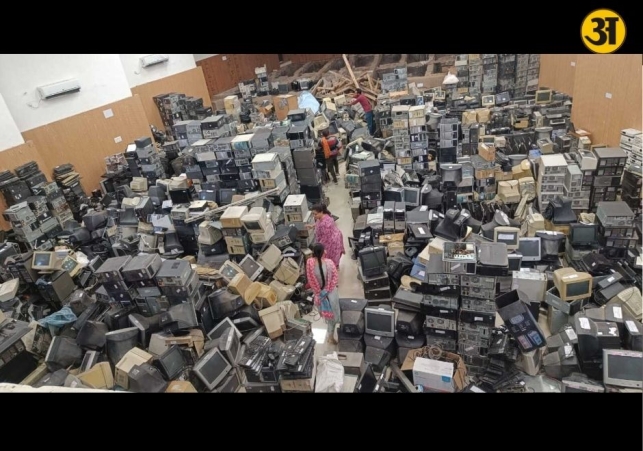
The Chandigarh Pollution Control Committee has started new efforts to manage the growing problem of electronic waste in Chandigarh. Officials say the city produces nearly 4,000 metric tonnes of e-waste every year, and proper systems are needed to dispose of it safely.
Electronic waste, also called e-waste, includes old or broken electronic items such as computers, mobile phones, televisions, refrigerators, and washing machines. These products often stop working after some years, and many people simply throw them away.
Experts say e-waste is now the fastest-growing type of waste in the world. One major reason is the rapid growth of technology. People frequently replace phones, laptops, and other electronic devices with newer models. As a result, large amounts of old electronics are discarded every year.
A senior official from the pollution control committee explained that e-waste contains several harmful substances. These include toxic materials such as lead, mercury, cadmium, and chemicals called brominated flame retardants. If these substances are not handled properly, they can seriously harm the environment and human health.
When electronic products are broken down in unsafe ways, these toxic materials may spread into the air, soil, and water. This can pollute the environment and affect nearby communities. Improper disposal can also damage groundwater and farmland.
At present, Chandigarh does not have its own formal facility to dismantle or recycle e-waste. Because of this, the electronic waste collected from the city must be transported to authorised recycling facilities in neighbouring states such as Punjab, Haryana, and Himachal Pradesh.
Officials say the lack of a local recycling plant makes waste management more difficult. However, the committee is now focusing on creating a better system for collecting and transporting e-waste safely.
A major concern is that many electronic items are sold to informal scrap dealers instead of authorised recyclers. These dealers often dismantle electronics using crude methods, such as burning wires or breaking devices without protective equipment. Such practices release dangerous chemicals into the environment.
Research has also highlighted the seriousness of the problem. A study conducted by the Postgraduate Institute of Medical Education and Research found that about 83 percent of components in e-waste contain hazardous materials.
The study also revealed that many residents are not fully aware of the issue. Around 30 percent of the people surveyed did not know what e-waste is or how it can harm the environment.
Researchers found that large home appliances contribute a major portion of the city’s electronic waste. According to the study, broken air conditioners form the largest share of e-waste at about 40.8 percent. Washing machines make up around 28.6 percent, while refrigerators account for about 16.5 percent.
Other items include televisions, personal computers, laptops, CFL bulbs, and mobile phones. Although mobile phones are used by almost everyone, they represent a smaller percentage of the total e-waste by weight because they are lighter.
Officials warn that if the city does not manage this waste properly, the problem will continue to grow in the coming years.
ALSO READ: Oil Prices Surge as Iran-Israel War Disrupts Global Energy Supply
ALSO READ: Pakistan raises petrol price by PKR 55 per litre amid Middle East conflict
Steps for safer disposal
To tackle the problem, the pollution control committee has started several programmes to improve e-waste management in the city. The main focus is to build a structured and scientific system for collecting and recycling discarded electronics.
One key step is increasing public awareness. The committee has been organising educational sessions in schools, colleges, residential areas, and market associations. These programmes explain how electronic waste can damage the environment and why it must be handled responsibly.
The awareness campaigns are being conducted in collaboration with Karo Sambhav, a group that promotes safe recycling practices across India.
During these sessions, citizens are encouraged to give their old electronic devices only to authorised collection centres or recyclers. Officials say responsible disposal helps ensure that toxic materials are treated properly and valuable metals can be recovered safely.
The pollution control committee has also organised workshops involving multiple stakeholders. These meetings bring together government officials, environmental experts, recycling agencies, and community representatives.
The workshops help participants understand the city’s e-waste collection system and learn about authorised agencies that handle electronic waste. Officials hope these discussions will improve coordination and strengthen the recycling network.
To reach a wider audience, the committee also launched a radio awareness campaign. The campaign shared information about the dangers of improper disposal and encouraged households to follow safe recycling practices.
Earlier this year, the committee conducted a special citywide e-waste collection drive. The campaign lasted for 15 days and involved several partner organisations, including the Global Youth Federation and Karo Sambhav.
During the drive, a mobile van moved across different areas of Chandigarh to collect electronic waste directly from residents. The service made it easier for people to dispose of old electronics without travelling to a collection centre.
As a result of the campaign, around 1,500 kilograms of e-waste were collected and sent for scientific disposal at authorised facilities.
Officials say such initiatives help prevent electronic waste from entering the informal recycling chain. Proper collection and treatment ensure that hazardous materials are safely managed while useful components are recycled.
The pollution control committee has also advised residents not to sell or give their electronic waste to unorganised scrap dealers. Instead, people are encouraged to contact authorised collection services.
For assistance, residents can use a toll-free helpline or contact designated collection agencies. Officials say more authorised collection partners will soon be added so that e-waste can be picked up more frequently across the city.
Authorities believe that a strong collection network, along with public awareness, is the key to solving the e-waste problem. With the growing use of electronic devices, safe disposal will become increasingly important in the future.
By encouraging responsible recycling and scientific waste management, the city hopes to protect the environment, reduce pollution, and ensure a healthier future for its residents.
Related News