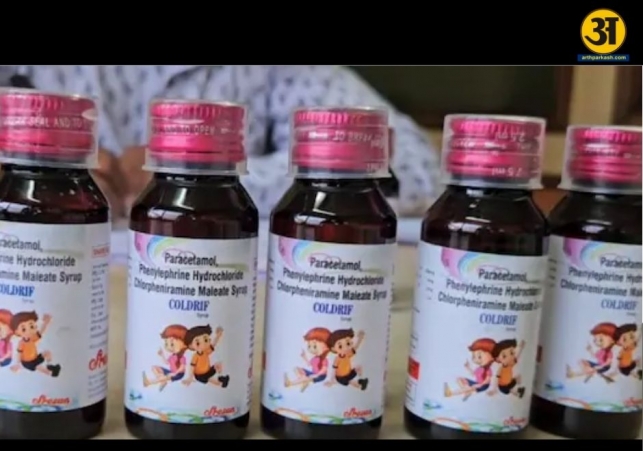
Coldrif cough syrup controversy and how to stay safe
Coldrif cough syrup row: experts explain contamination and safety tips
A recent batch of Coldrif cough syrup has tested positive for diethylene glycol (DEG), a deadly industrial chemical. DEG is a toxic solvent used in antifreeze, paints, and brake fluids and should never be in medicines. Unfortunately, contamination can occur if cheaper industrial-grade chemicals are used instead of pharmaceutical-grade solvents. Authorities discovered this dangerous batch after several child deaths were reported in Madhya Pradesh and Rajasthan since August 2025. These children, mostly under five years old, initially had mild fever and cold symptoms, but their condition quickly worsened to acute kidney failure.
Tests by the Central Drugs Standard Control Organisation (CDSCO) in Madhya Pradesh showed no contamination in local samples. However, samples collected from the manufacturer, Sresan Pharma in Tamil Nadu, tested positive for DEG above safe limits. This prompted an immediate ban on the product in both states, while the Centre ordered inspections at 19 pharmaceutical sites in six states. A multidisciplinary team, including experts from ICMR, AIIMS Nagpur, NEERI, CDSCO, and NIV, is investigating if other batches were contaminated and whether they caused child deaths.
Doctors warn that DEG is extremely dangerous even in small amounts. Once ingested, it metabolizes into toxic acids that damage the kidneys and liver. Early symptoms such as vomiting, abdominal pain, nausea, and drowsiness may appear mild but can quickly lead to kidney failure. Dr Anish Sinha, neonatology expert at Regency Health Kanpur, explains that DEG forms oxalic acid in the liver, which crystallizes in kidney tubules, shutting down kidney function rapidly. There is no specific antidote; treatment requires urgent dialysis, supportive care, and medications to reduce toxicity.
Dr Aakashneel Bhattacharya, an infectious disease specialist, highlights that DEG contamination turns life-saving medicines into a lethal threat. Even a few drops can cause severe organ damage or death. He advises parents to avoid self-medicating children with over-the-counter cough syrups. Most coughs in children are viral and self-limiting, and supportive care like hydration, saline drops, steam inhalation, and age-appropriate paracetamol is safer than unnecessary medicines.
How parents can protect children from contaminated syrups
Vigilance at home is critical to prevent tragedies. Dr Mounnish Balaji, pediatric pulmonologist at Ankura Hospital, Pune, recommends parents carefully check medicine packaging. Look for tamper-evident seals, clear batch numbers, expiry dates, and manufacturer details. Avoid syrups without leaflets, dosing spoons, or proper labeling. Discard any product with unusual color, smell, or separation into layers.
Safe practices include buying medicines only from licensed pharmacies or credible online stores, avoiding heavily discounted or unbranded products, and preferring single-ingredient, age-appropriate syrups. Multi-ingredient or sedative-based cough syrups should be avoided for young children. Store medicines according to instructions and keep records of batch numbers, which help authorities trace products in case of contamination.
ALSO READ: Ladakh conflict can be resolved under UT setup if trust is built carefully
ALSO READ: Rising trend of egg freezing: benefits, risks, and expert insights
Parents should immediately check their medicine cabinets and dispose of any Coldrif or unverified cough syrups. Suspected products or adverse reactions should be reported to local drug controllers or via the CDSCO grievance portal. Always consult a pediatrician for persistent coughs or colds instead of relying on over-the-counter medicines.
This incident is a stark reminder that drug safety is non-negotiable. The Coldrif case shows how lapses in manufacturing or quality control can have fatal consequences. Doctors stress that medicine meant to heal should never harm. Both regulatory vigilance and parental awareness are essential to prevent such tragedies. Parents must remain alert, check medicine labels, and follow safe practices to ensure the health and safety of their children.
The Coldrif contamination highlights the importance of strict monitoring, quality control, and public awareness. While authorities work to track the affected batches, parents play a crucial role in safeguarding children by being careful about the medicines they use. Supportive care, timely medical advice, and avoidance of unsafe over-the-counter products remain the best strategies to protect children from preventable harm.
Related News