How 18% US tariffs help India beat rivals
India‑US tariff deal gives India edge over China, Pakistan and Bangladesh
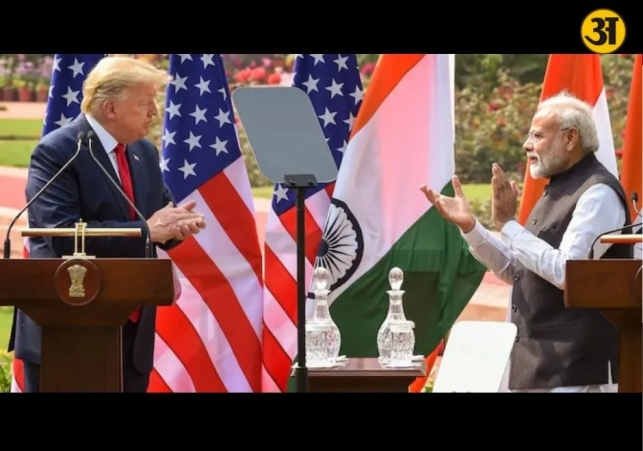
India and the United States have agreed to a new trade deal that cuts US tariffs on Indian goods to 18 per cent. This change, announced by US President Donald Trump after a phone call with Prime Minister Narendra Modi, marks a major shift in trade relations and gives India a stronger position compared with some of its regional competitors. The cut in tariffs comes after months of negotiations and replaces higher duties that had previously made Indian exports more expensive in the US market.
Under the new pact, the US has lowered the duty on Indian products, reducing it from a much higher level to 18 per cent. Trump described the deal as a result of the friendship between the two leaders, and Modi welcomed the decision, saying that “Made in India” products will now be more competitive.
How India gains a competitive advantage
With the tariff now set at 18 per cent, India enjoys a trade advantage over several export rivals in Asia. For example, tariffs on some major competitors are higher than India’s: China’s exports to the US are taxed at around 34 per cent, while Bangladesh and Vietnam face about 20 per cent. Pakistan and other Southeast Asian exporters such as Malaysia, Cambodia and Thailand face tariffs of around 19 per cent. This means Indian goods may be relatively cheaper in the US market than similar products from these countries, potentially boosting demand for Indian exports.
The tariff advantage is significant because even small differences in duty rates can affect export prices, especially for sectors like textiles, electronics, and light manufacturing. Lower tariffs can help Indian companies offer competitive prices and win more orders from American buyers. It also strengthens India’s appeal as a global sourcing destination for companies looking to diversify supply chains away from China and other markets.
In contrast, some developed economies pay even lower US tariffs. For example, countries such as the United Kingdom face a rate of about 10 per cent, and the European Union, Japan, South Korea and Switzerland have tariffs of about 15 per cent. While India’s 18 per cent tariff is higher than these, it is still low compared with many other emerging market competitors.
ALSO READ: Shehbaz Sharif says Pakistan feels ashamed seeking loans abroad
Broader terms of the trade deal
The tariff cut is part of a wider understanding between India and the US that includes changes on both sides. As part of the agreement, India is expected to reduce its tariffs on US goods and improve market access for American products. The deal also reportedly includes commitments related to energy purchases and other sectors, though full details are still emerging.
One important aspect of the agreement was the removal of additional tariffs that had been imposed on Indian goods because of India’s previous purchase of Russian oil. These punitive duties had pushed the total effective tariff to about 50 per cent in the past. With those removed, the 18 per cent rate now applies.
Analysts say this tariff structure could help Indian exporters recover from the challenges they faced under higher duties and could also boost foreign investor confidence. Lower tariffs make it easier for Indian products to compete in the US, potentially increasing export volumes in key industries.
The competitive edge created by the tariff cut is expected to influence how global companies source from Asia. India’s lower duties compared with China, Bangladesh, Pakistan and other neighbours could make it a preferred supplier for some products. However, tariffs are only one part of global trade competitiveness. Factors such as production costs, logistics, quality standards and supply chain efficiency will also play a role in shaping long-term export growth.
In conclusion, the new India‑US trade deal and the cut in tariffs to 18 per cent give India a stronger competitive position relative to many regional export economies. By reducing the cost of Indian goods in the US market, the agreement could help India increase its exports and strengthen economic ties with its largest trading partner.
Related News