Bone strength starts declining quietly in women after their mid-30s
What happens to women’s bone density after 35 and why it matters early
- By Gurmehar --
- Sunday, 03 May, 2026
Bone health is not something most women think about in their 30s. At this stage, the body usually feels strong, active and healthy. There is no pain, no visible weakness and no obvious signs that anything is wrong. But inside the body, changes may already be starting.
After the age of 35, bone density in women slowly begins to decline. This process is gradual and often goes unnoticed for years. By the time symptoms appear, the bones may already be weaker than expected. That is why early awareness is important.
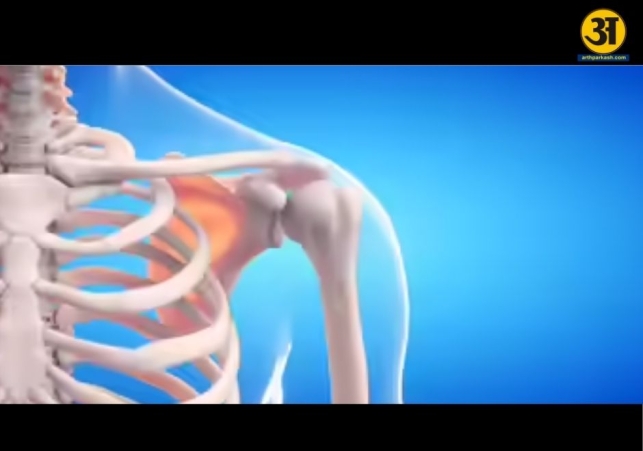
Bones are not lifeless structures. They are living tissues that are constantly being broken down and rebuilt. This process is called bone remodelling. Up to the early 30s, the body maintains a balance between bone breakdown and bone formation. After that, this balance begins to shift.
Why bone strength starts declining after 35
As women move past their mid-30s, the body begins to lose bone slightly faster than it can rebuild it. This does not happen suddenly, but over time, the loss adds up. Slowly, bones may become less dense and more fragile.
One of the main reasons for this change is hormonal shifts. Oestrogen, a hormone that plays a key role in maintaining bone strength, starts to decline gradually even before menopause. Since oestrogen helps protect bone mass, lower levels can lead to faster bone loss.
Another factor is nutrition. Many women do not get enough calcium and vitamin D in their daily diet. Calcium is essential for building and maintaining strong bones, while vitamin D helps the body absorb calcium properly. Without these nutrients, bones may weaken more quickly.
Lifestyle also plays a major role. Modern routines often involve long hours of sitting, limited physical activity and less exposure to sunlight. Bones need regular movement and weight-bearing activity to stay strong. Without it, they do not get the stimulation they need to maintain density.
Pregnancy and breastfeeding can also affect bone health. During these phases, the body uses calcium to support the baby’s development. If this calcium is not replaced through diet or supplements, it may impact the mother’s bone strength over time.
Over the years, all these factors together can increase the risk of osteoporosis. This is a condition where bones become weak, brittle and more likely to break. What makes it concerning is that it often develops silently, without clear symptoms in the early stages.
Early signs and ways to protect your bones
One of the biggest challenges with bone loss is that it often does not show obvious warning signs at first. Many women only realise there is a problem after a fracture or injury. However, there are some subtle signals that should not be ignored.
Frequent minor fractures or injuries from small accidents can be an early sign. Losing height gradually over time is another indication that the spine may be affected. Some women may notice a slight stoop or change in posture, which could suggest weakening bones.
Persistent lower back pain can also be linked to bone loss, especially if it continues without a clear reason. In some cases, even reduced stamina or breathlessness may be associated with changes in bone structure, particularly in the spine.
ALSO READ: US may present three new military plans to Trump as Iran war tensions continue
Family history is another important factor. If osteoporosis runs in the family, the risk may be higher. This makes it even more important to monitor bone health early.
Doctors use a test called a DEXA scan to measure bone density. This scan checks how strong the bones are by measuring their mineral content. It is a simple and effective way to detect bone loss early, even before symptoms appear.
The good news is that bone loss can be slowed down and even managed with the right steps. Small lifestyle changes can make a big difference over time.
A balanced diet is the first step. Foods rich in calcium, such as milk, curd, cheese, leafy greens and nuts, should be included regularly. Vitamin D is equally important and can be obtained through sunlight exposure and certain foods or supplements.
Physical activity is essential for bone strength. Weight-bearing exercises like walking, jogging, yoga and strength training help keep bones active and strong. Even simple daily movement can have long-term benefits.
Maintaining a healthy lifestyle also matters. Avoiding smoking, limiting alcohol intake and managing stress can support overall bone health. Good sleep is another important factor, as it helps the body repair and regenerate.
In some cases, doctors may recommend supplements or medications, especially if there is a higher risk of osteoporosis. Regular check-ups can help track bone health and ensure timely action.
In conclusion, bone density loss after 35 is a natural process, but it does not have to lead to serious problems. The key is to start paying attention early, even when there are no visible signs.
The body often changes quietly, and bone health is one of those areas where prevention is better than treatment. By understanding these changes and taking simple steps, women can protect their strength, mobility and overall well-being for years to come.
Related News