Balancing minority rights with India’s modern development
Protecting heritage, ensuring progress: Minority rights in a modern India
- By Gurmehar --
- Sunday, 21 Dec, 2025
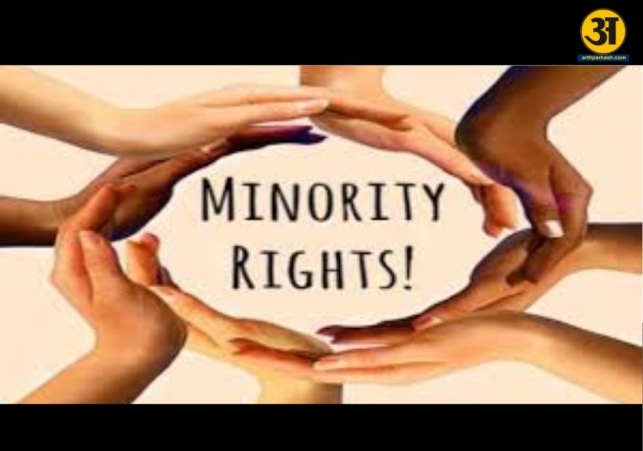
India’s Constitution is built on a clear idea: the country’s unity does not mean everyone must be the same. The framers imagined a republic where different languages, religions, and cultural traditions could thrive within a shared civic and economic system. Minority rights were created to give communities confidence that they could preserve their culture while being full members of the nation.
Over time, discussions about minority rights often became narrow. Cultural protection was treated as an end in itself, while education, skills, and jobs were handled separately through welfare programs. This created problems. Traditions could become static, and some development programs made communities dependent rather than empowered. A better approach is to link cultural vitality with material progress, so both reinforce each other.
In recent years, the Modi government has worked to balance these goals. Policies now focus on preserving minority culture while also expanding access to modern education, formal credit, and economic opportunities. This approach treats minorities as equal stakeholders in India’s growth rather than passive recipients of aid. The idea is simple: communities feel confident in their culture when they have the tools to succeed in a modern economy.
The Constitution clearly supports this approach. Articles 29 and 30 protect minorities’ rights to conserve culture and run educational institutions. Courts have repeatedly clarified that these protections are meant to provide security and integration, not isolation. The Supreme Court’s 2024 ruling on the Uttar Pradesh Board of Madarsa Education Act reinforced this principle. The court allowed the state to regulate education standards while protecting the minority character of schools, showing that autonomy and accountability can coexist.
Education is the most effective bridge between cultural identity and social mobility. Studies show that completing secondary education significantly improves employment, health, and opportunities for future generations. Programs like the Begum Hazrat Mahal National Scholarship support minority girls at the secondary level, helping them stay in school despite financial or social pressures. Over six lakh girls have benefited, showing the impact on both education and long-term workforce participation.
Efforts have also been made to modernize traditional institutions. Madrassas now offer modern subjects, digital literacy, and recognized certifications. Links with the National Institute of Open Schooling allow students to earn Class 8, 10, and 12 certificates, opening doors to higher education and skilled employment. This strengthens mobility while respecting cultural identity.
Economic empowerment and social inclusion
Economic participation is another key part of minority empowerment. Programs like the Pradhan Mantri Mudra Yojana provide small loans to minority entrepreneurs, allowing them to enter the formal financial system. About 11% of Mudra loan beneficiaries are from minority communities, working in trade, services, and manufacturing. Access to collateral-free credit helps replace reliance on informal lenders, formalizes businesses, and builds a credit history. This economic participation gives dignity and positions minorities as contributors to growth rather than charity recipients.
ALSO READ: PM-kisan 22nd instalment complete these mandatory steps to avail benefits
ALSO READ: Extra kilos, not years, could be the real reason your knees hurt
Cultural heritage has also been transformed into an economic and social asset. Platforms like Hunar Haat connect artisans and culinary experts from minority communities with national markets, turning traditional skills into livelihoods. Over five lakh artisans and associated workers have gained employment through these initiatives. Programs under Hamari Dharohar document and showcase minority cultures, ensuring that traditions continue and gain recognition within India’s civilisational narrative.
Welfare programs also play a role in strengthening minorities. Universal initiatives in housing, sanitation, water, and electricity have reduced daily hardships, especially in high-deficit districts. According to the National Multidimensional Poverty Index, India lifted nearly 25 crore people out of multidimensional poverty between 2005–06 and 2019–21, with strong progress in areas with large minority populations. Delivering basic services at scale benefits all communities without singling out groups.
Labour market trends show similar progress. Female participation in the workforce is rising across communities, including a sharp increase among Muslim women—from 15% in 2021–22 to over 21% in 2023–24. Education, skills training, and economic necessity together are reshaping workforce participation and social mobility.
The strength of this approach lies in treating heritage and progress as complementary rather than competing goals. Cultural preservation gains meaning when communities can navigate a changing world, and economic and educational advancement gains legitimacy when it respects identity and tradition. By grounding minority policies in constitutional principles and measurable outcomes, the current approach moves beyond symbolic protection to real empowerment.
India’s unity depends on this balance. A society in which minorities can prosper without giving up their identities strengthens both democracy and development. Protecting heritage while ensuring progress proves a simple truth: diversity is not a limitation on national growth—it is one of its strongest foundations.
Related News