Australia’s first rocket ‘Eris’ crashes seconds after launch
First Australian-built rocket ‘Eris’ crashes just 14 seconds after launch in failed orbital attempt
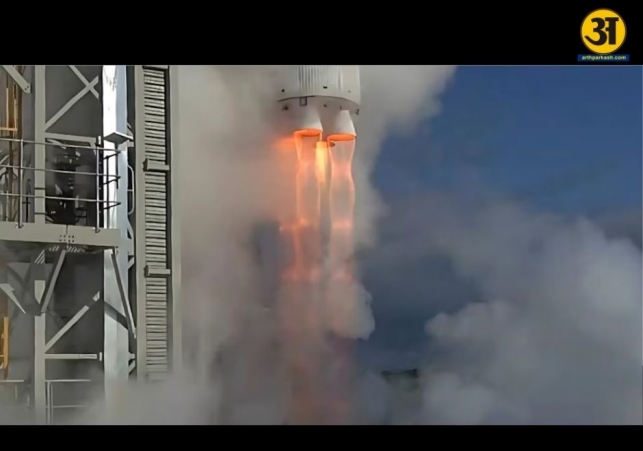
Australia’s first-ever homegrown rocket to attempt reaching orbit, called Eris, crashed just 14 seconds after liftoff on Wednesday, July 30, 2025. The 23-metre rocket, built by Queensland-based company Gilmour Space Technologies, lifted off from a spaceport near Bowen in northern Queensland, but failed shortly after it rose above the launch tower.
Despite the crash, the company is calling the launch a step in the right direction. Gilmour Space’s CEO, Adam Gilmour, said he was happy that the rocket left the launch pad and that they had gained valuable data from the test flight.
Videos of the failed launch show the rocket briefly lifting off and hovering in the air before it suddenly lost control and crashed, bursting into flames and thick smoke. Luckily, no one was injured during the launch or crash, and the launch site remains undamaged.
This was the first time an Australian-designed and built rocket had attempted to reach orbit. The goal of the mission was to carry small satellites into space. Although it didn’t reach that goal, the team says the experience is part of building a long-term space program.
Company calls test launch a success despite crash
Adam Gilmour admitted the rocket’s crash was disappointing but stressed that space exploration is difficult and that failures are common during early test flights. “Space is hard,” he said. He pointed out that even successful companies like SpaceX and Rocket Lab had several failures before achieving orbital success.
The company’s official statement on Facebook described the test as a “success.” According to Gilmour Space, all four of the rocket’s hybrid engines ignited and burned for a total of 23 seconds, which included 14 seconds of actual flight time. This confirmed that many of the rocket’s systems and technology were functioning as planned.
The Eris launch had already been delayed twice—once in May and again earlier in July—due to technical problems and bad weather. The company had earlier stated that the mission would be considered a success even if the rocket simply lifted off the ground, which it did.
In a LinkedIn post, Adam Gilmour wrote, “Getting off the pad and into flight is a huge step forward for any new rocket program.” He added that this was the first real test of their rocket systems, their hybrid propulsion technology, and the new spaceport. “Of course I would have liked more flight time, but I’m happy with this,” he said.
The company already has another rocket in development and will use the data from this launch to make improvements.
A big step for Australia’s space industry
This launch was more than just a technical test—it was a historic moment for Australia’s growing space industry. While Australia has had many suborbital launches, only two successful orbital missions have ever launched from Australian soil. The last attempt at an orbital launch from Australia was over 50 years ago.
Whitsunday Regional Council Mayor Ry Collins called the event a “huge achievement,” even though the rocket did not make it to space. He said on Facebook, “This is an important first step towards the giant leap of a future commercial space industry right here in our region.”
Gilmour Space Technologies is a private company that has received strong government support. Just this month, it was awarded a AU$5 million federal grant to support further rocket development. This comes after the company secured a larger AU$52 million funding deal from the Australian government in 2023 to help promote space innovation and commercial opportunities in the country.
ALSO READ: Salt therapy gains popularity as a wellness trend, but experts urge caution
ALSO READ: Subtle signs of anxiety you might be missing in everyday life
The rocket’s name, Eris, comes from the Greek goddess of chaos—an ironic but fitting name given the dramatic failure of the test flight. However, both the company and government leaders are staying positive, saying it’s just one step in a long journey.
The attempt marked the beginning of Australia’s push to enter the global space race with its own launch capabilities. With more testing and investment, the country hopes to play a larger role in satellite launches and other space missions in the coming years.
While the Eris rocket may have crashed, its brief flight represents a hopeful start for Australia’s independent space ambitions. Gilmour Space Technologies remains determined to continue testing and eventually launch successful orbital missions from Australian soil.
Related News