Dermatologist compares popular hair removal methods
Laser hair removal ranked safest by dermatologist, waxing and creams score low
Hair removal is a regular part of personal grooming for many people. Some prefer waxing, while others choose shaving, threading, laser treatment, trimmers, or hair removal creams. Most people continue using the method they are familiar with and rarely think about how it affects their skin.
However, dermatologists say that not all hair removal methods are equally safe. Some techniques can irritate the skin, cause inflammation, or increase the risk of infections. Others may be gentler and more suitable for long-term use.
Recently, dermatologist Dr Sandesh Gupta shared his views on different hair removal methods through an Instagram video. He rated common hair removal techniques based on safety, effectiveness, and their impact on the skin. His rankings attracted significant attention online as many people wanted to know which method is safest and most effective.
According to the dermatologist, laser hair removal received the highest rating, while hair removal creams were ranked at the bottom. Other methods such as shaving, waxing, threading, trimmers, and epilation received mixed scores depending on their benefits and drawbacks.
Waxing and shaving compared
Waxing remains one of the most popular hair removal methods worldwide. It removes hair from the root and usually provides smooth skin for several weeks. Many people choose waxing because the results last longer than shaving.
Despite its popularity, Dr Gupta gave waxing a rating of 5 out of 10. According to him, waxing may not be the best option for everyone because it can sometimes lead to skin problems.
One common issue associated with waxing is folliculitis. This condition occurs when hair follicles become inflamed. It can cause redness, itching, and small bumps on the skin. Waxing may also contribute to acne in some individuals, particularly those who already have sensitive or acne-prone skin.
Another commonly used method is threading. It is especially popular for shaping eyebrows and removing facial hair. Threading has been used for many years and is often considered a precise method of hair removal.
However, the dermatologist also gave threading a score of 5 out of 10. He explained that repeated pulling and stretching of the skin during threading may cause irritation and stress to the skin over time. While threading is generally safe when performed correctly, it may not be ideal for people with highly sensitive skin.
Shaving received a more positive assessment. Many people avoid shaving because they believe it causes hair to grow back thicker, darker, or faster. Dermatologists have repeatedly clarified that this belief is a myth.
Hair may appear thicker after shaving because the cut ends of the hair feel coarser when they grow back. However, shaving does not actually change the thickness, colour, or growth rate of hair.
Dr Gupta described shaving as a safe method of hair removal. It removes hair from the surface without affecting the hair follicle beneath the skin. The main disadvantage is that the results do not last long, meaning people need to shave regularly to maintain smooth skin.
Trimmers also received a favourable review. The dermatologist gave them a score of 6 out of 10. Trimmers are easy to use, convenient, and generally safe for the skin. They cut hair without pulling it out, reducing the risk of irritation and injury. Although they do not provide long-lasting smoothness, they can be used frequently without causing significant skin damage.
ALSO READ; Several Indian workers killed in Dubai road accident after minibus crashes into truck
ALSO READ: Singapore blocks online content targeting Indians to protect racial harmony
Why laser tops the list
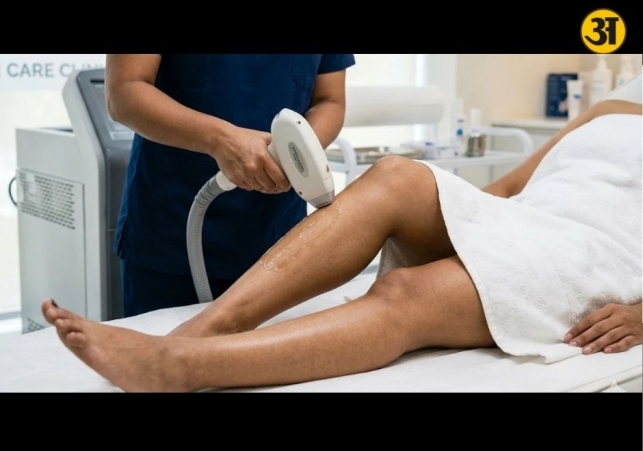
Laser hair removal received the highest rating among all the methods discussed by the dermatologist. He awarded laser treatment 9 out of 10 and described it as one of the safest and most effective options available today.
Laser treatment works by targeting hair follicles with concentrated light energy. This damages the follicle and reduces future hair growth. Over multiple sessions, many people experience a significant reduction in hair growth.
One major advantage of laser treatment is its long-term effectiveness. Unlike shaving or waxing, which require frequent maintenance, laser sessions can provide results that last for months or even years.
The dermatologist noted that laser treatment is safe when performed using high-quality equipment and by trained professionals. However, he also stressed the importance of consulting a qualified dermatologist before beginning treatment.
Not every laser device works equally well for every person. Factors such as skin tone, hair colour, and medical history can influence treatment results. A professional evaluation helps determine whether laser treatment is suitable and safe for an individual.
Epilation was another method discussed in the ranking. Epilators remove hair from the root using mechanical tweezers. Dr Gupta explained that epilation can be particularly useful in situations where laser treatment is less effective.
For example, laser technology often struggles to remove white, grey, or very light-coloured hair because these hairs contain less pigment. In such cases, epilation may be a practical alternative.
Hair removal creams received the lowest score of all methods reviewed by the dermatologist. He rated them only 2 out of 10.
These creams work by using chemicals to break down hair proteins, allowing hair to be wiped away from the skin's surface. Although they are quick and convenient, they may cause skin irritation in some users.
According to Dr Gupta, frequent use of hair removal creams can increase skin sensitivity and may raise the risk of infections. Some people may also experience allergic reactions, redness, burning sensations, or rashes after using these products.
The dermatologist advised people to be cautious when using such creams, especially if they have sensitive skin or a history of allergies.
Overall, the expert's ranking suggests that laser hair removal is currently the safest and most effective option for long-term hair reduction when performed correctly. Shaving and trimmers also remain relatively safe choices for regular grooming. Waxing and threading offer moderate benefits but may cause irritation in some people, while hair removal creams appear to carry the highest risk of skin-related problems.
Dermatologists emphasise that the best hair removal method depends on individual skin type, hair type, budget, and personal preferences. Consulting a skin specialist before choosing a long-term hair removal solution can help ensure better results and healthier skin.
Related News